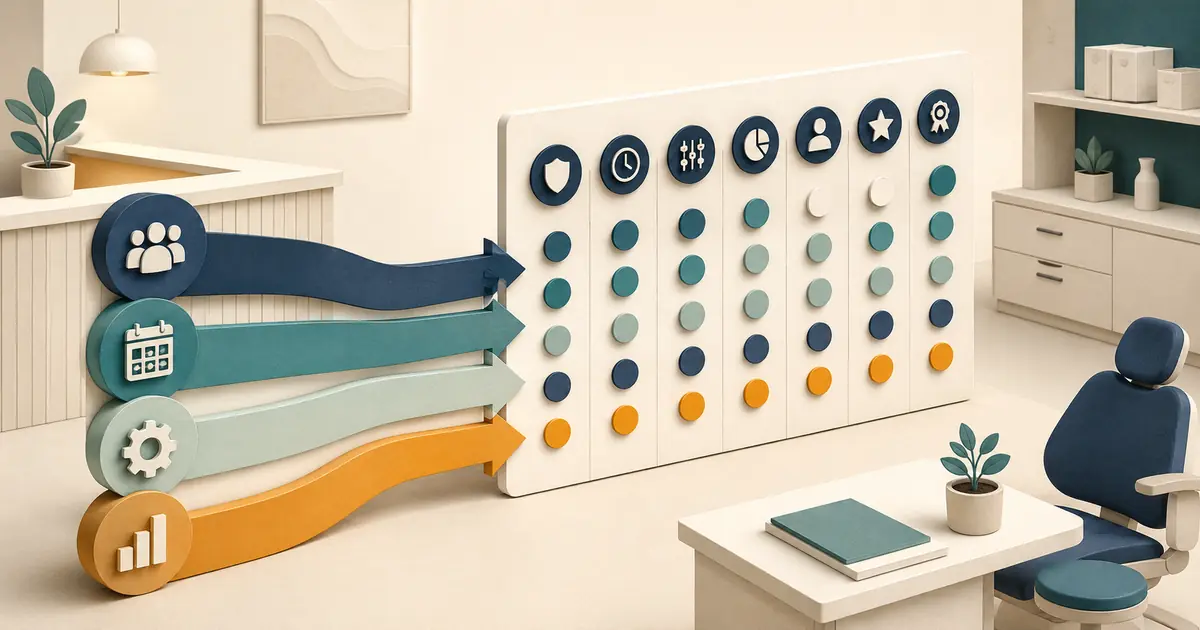
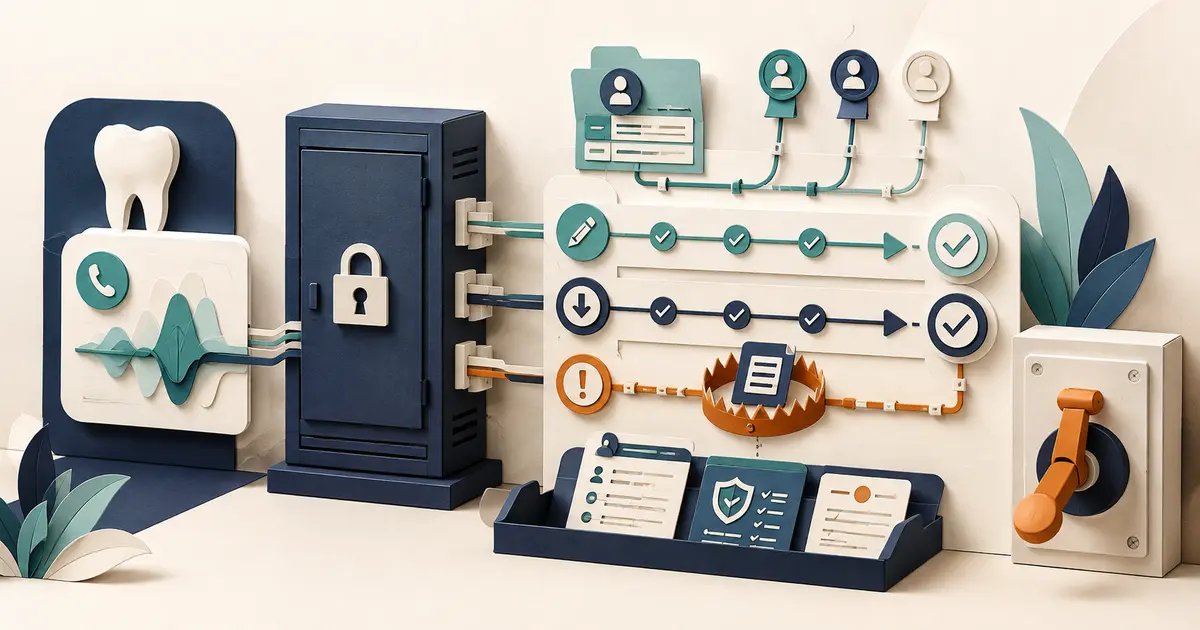
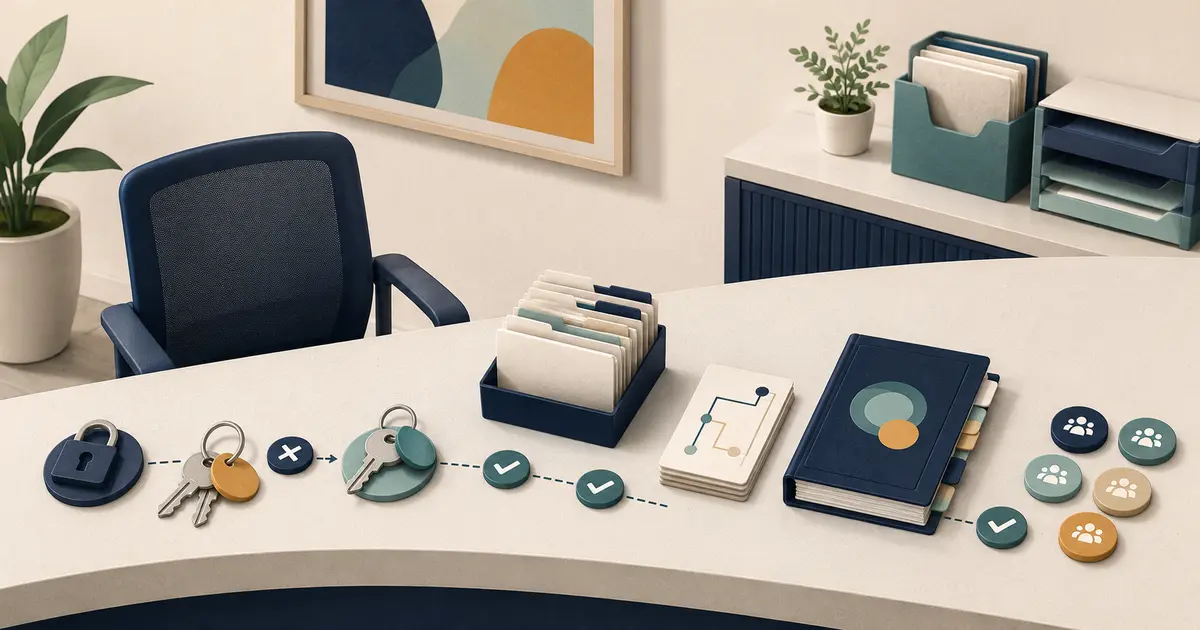
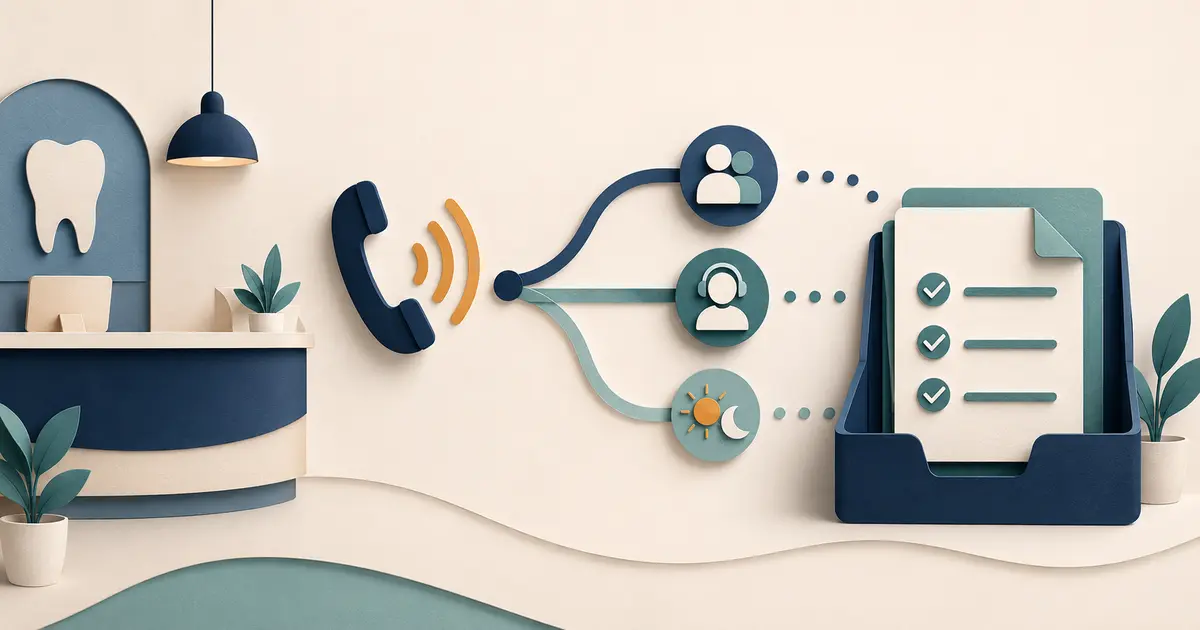
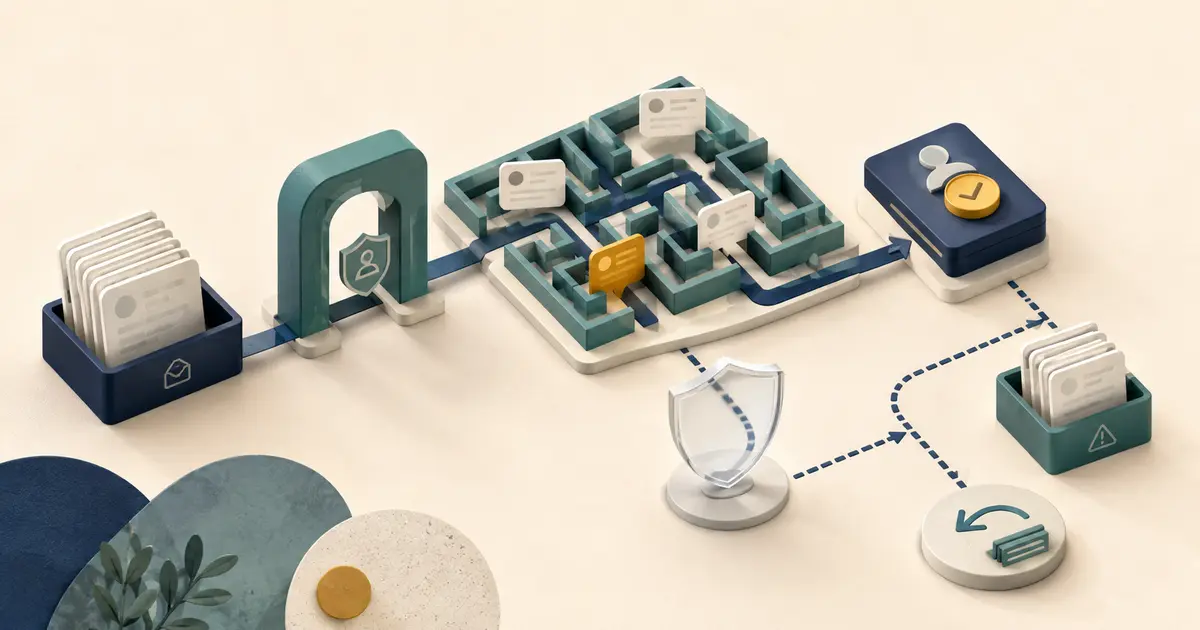
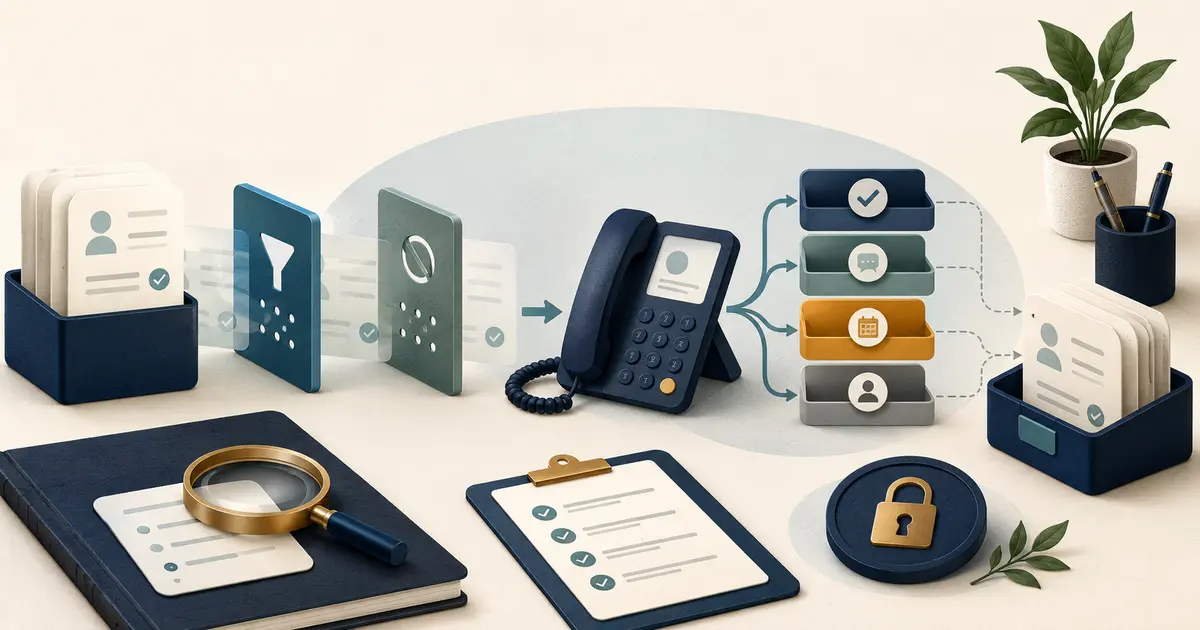
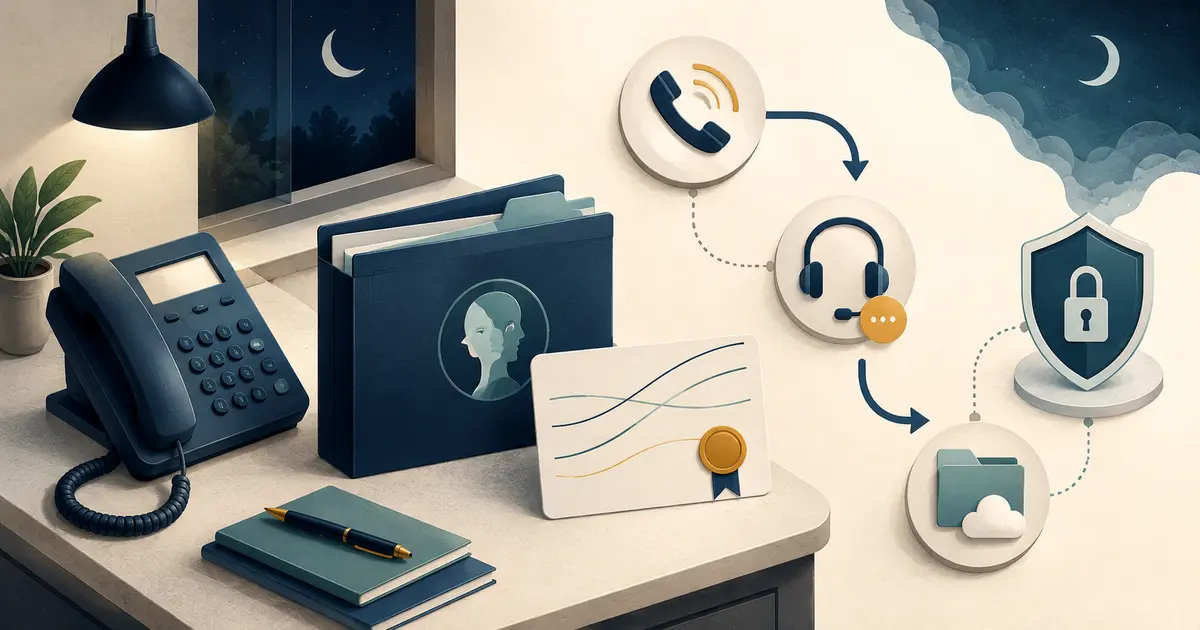
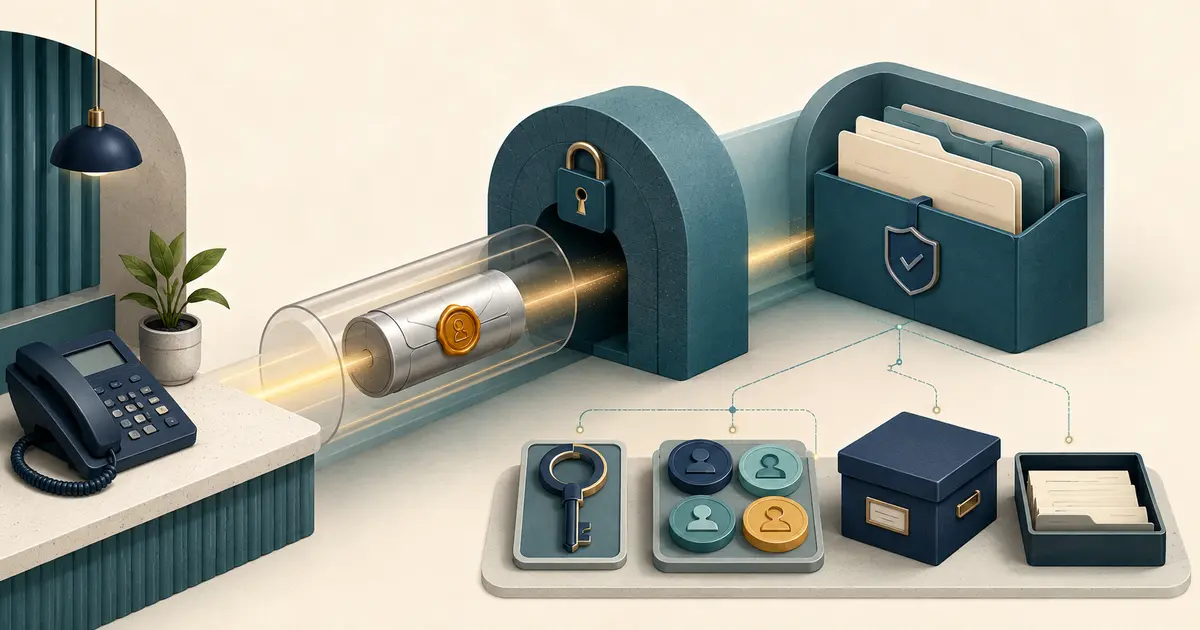
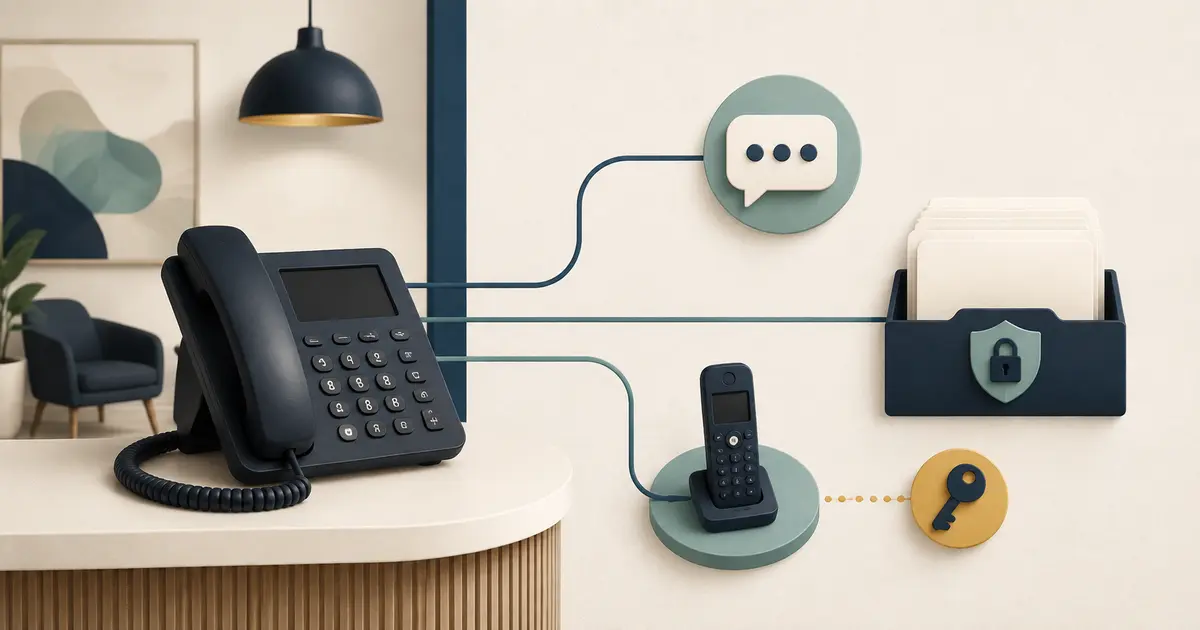
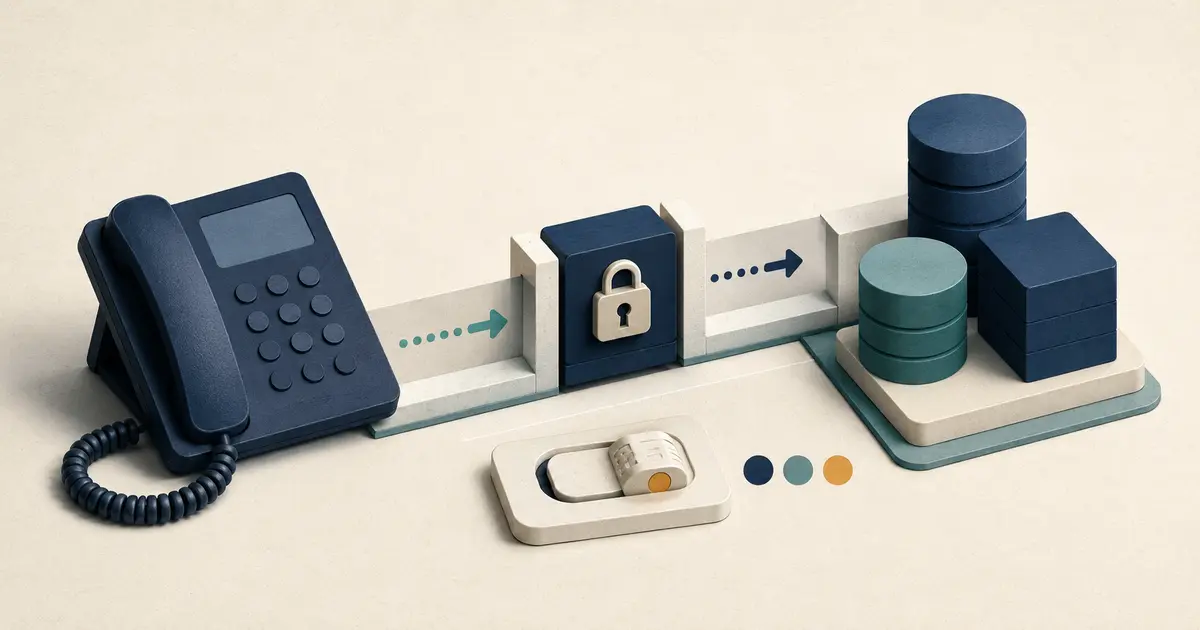
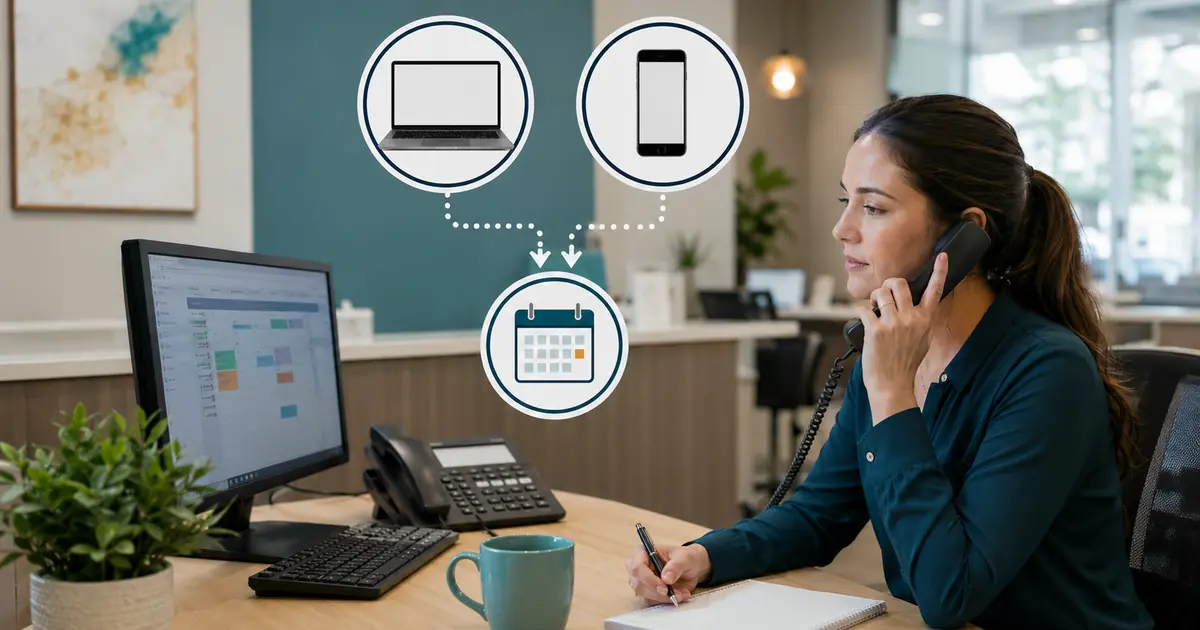
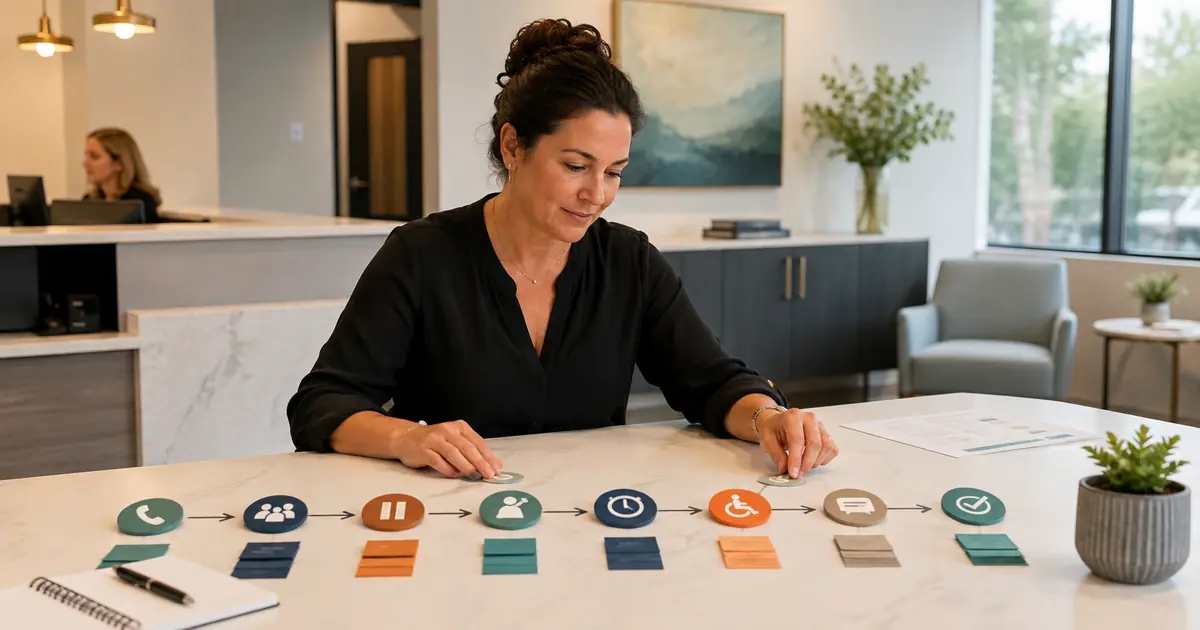
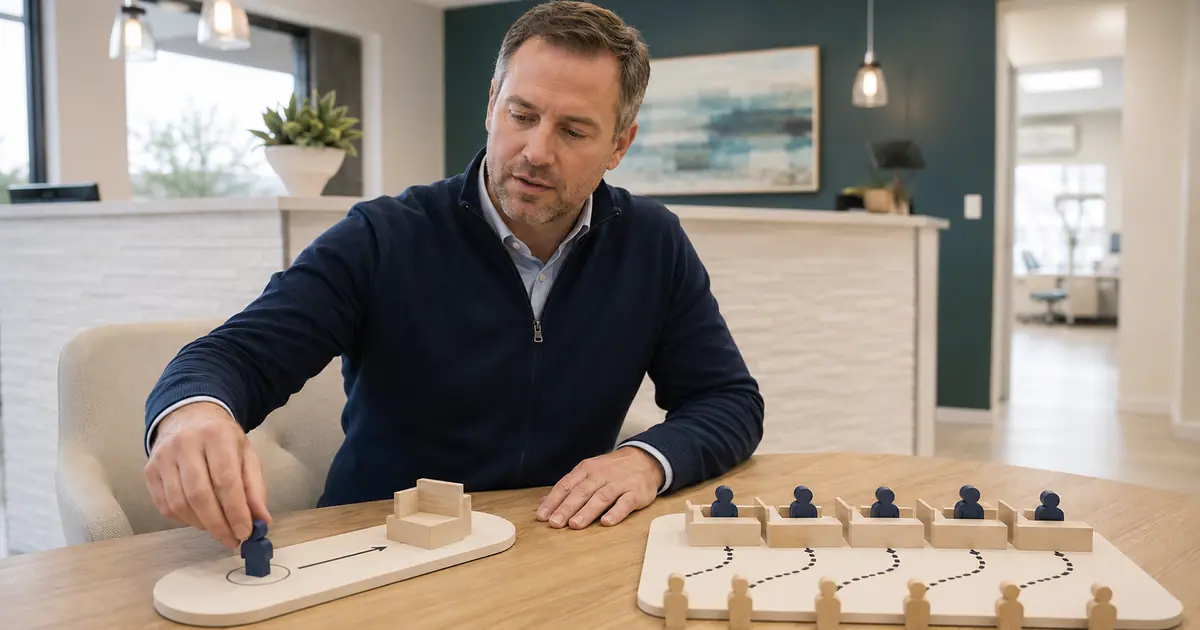
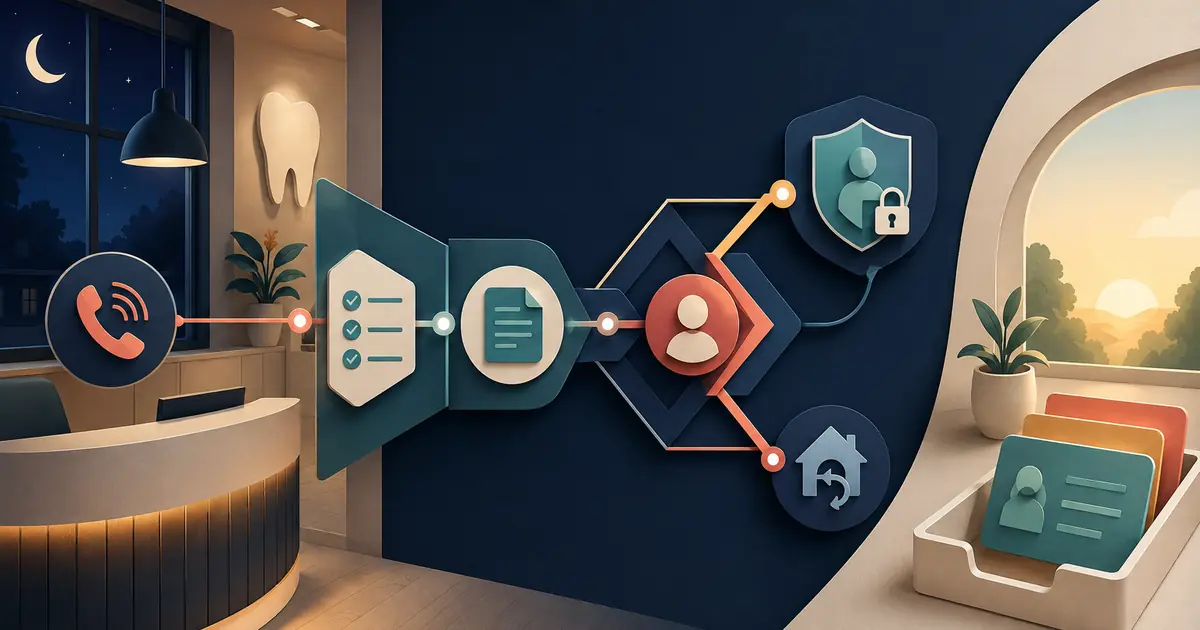
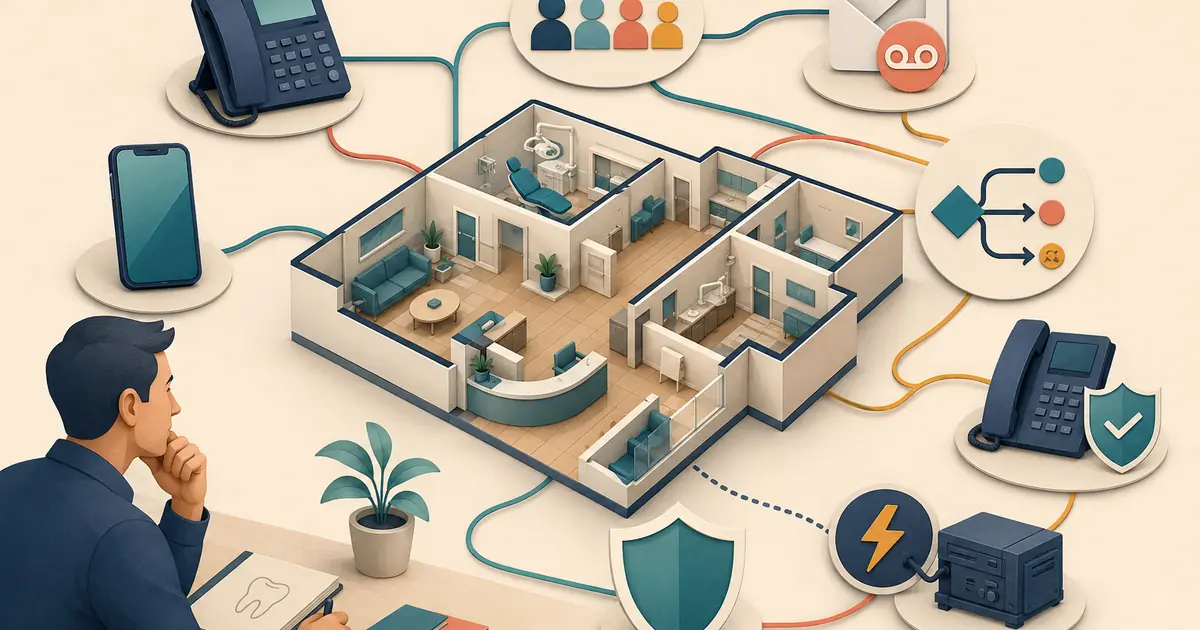
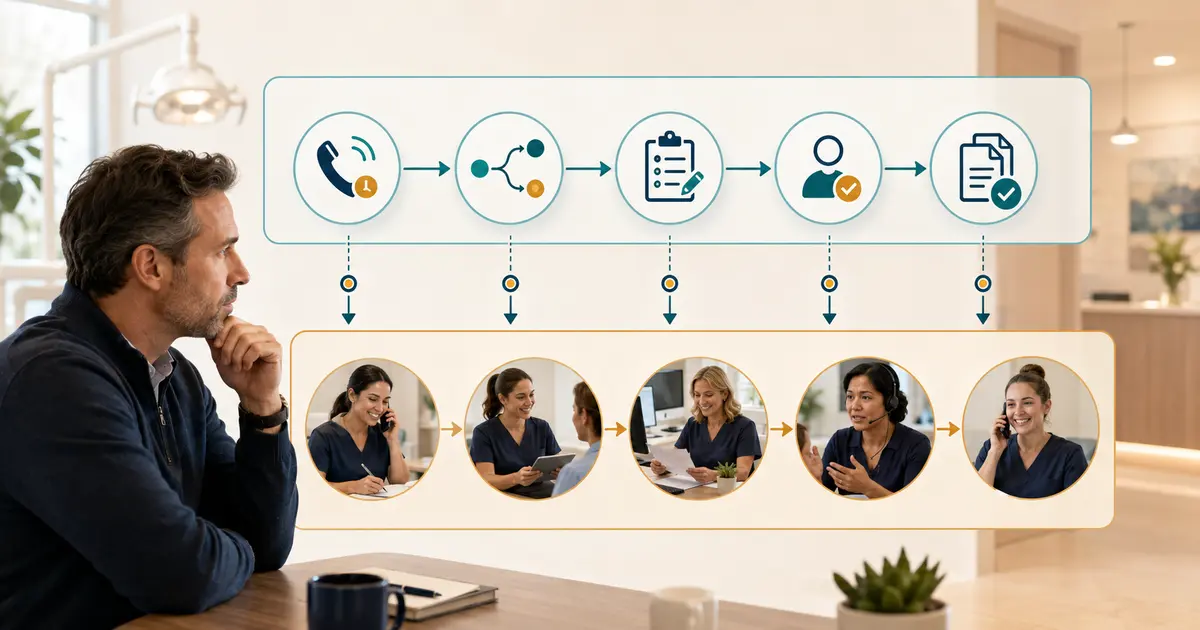
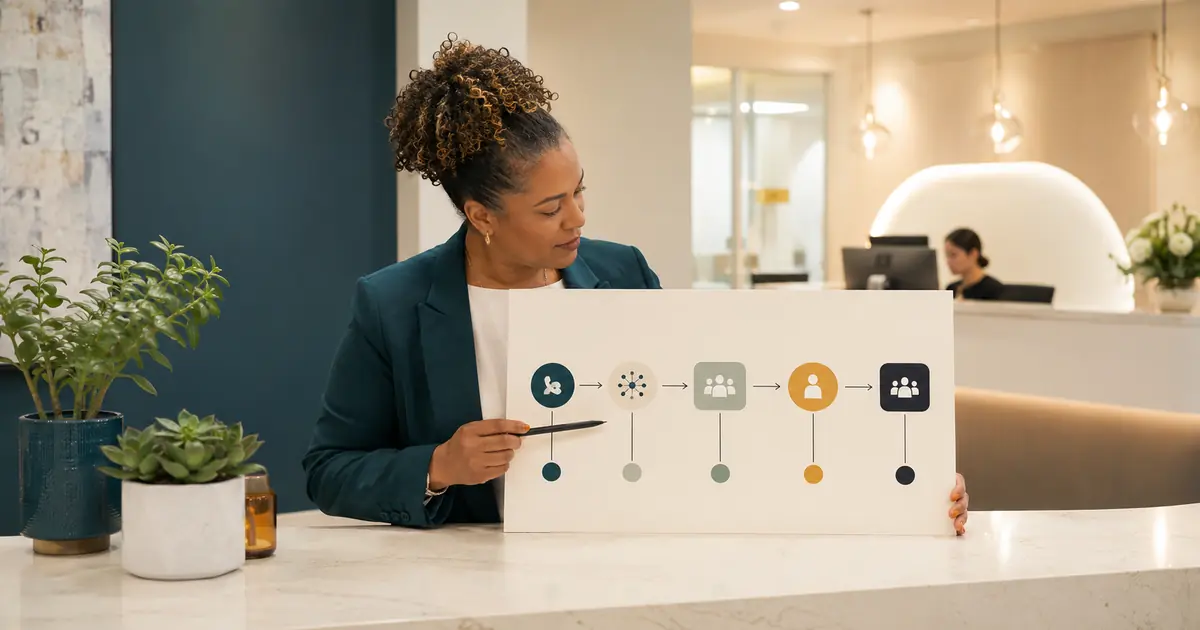
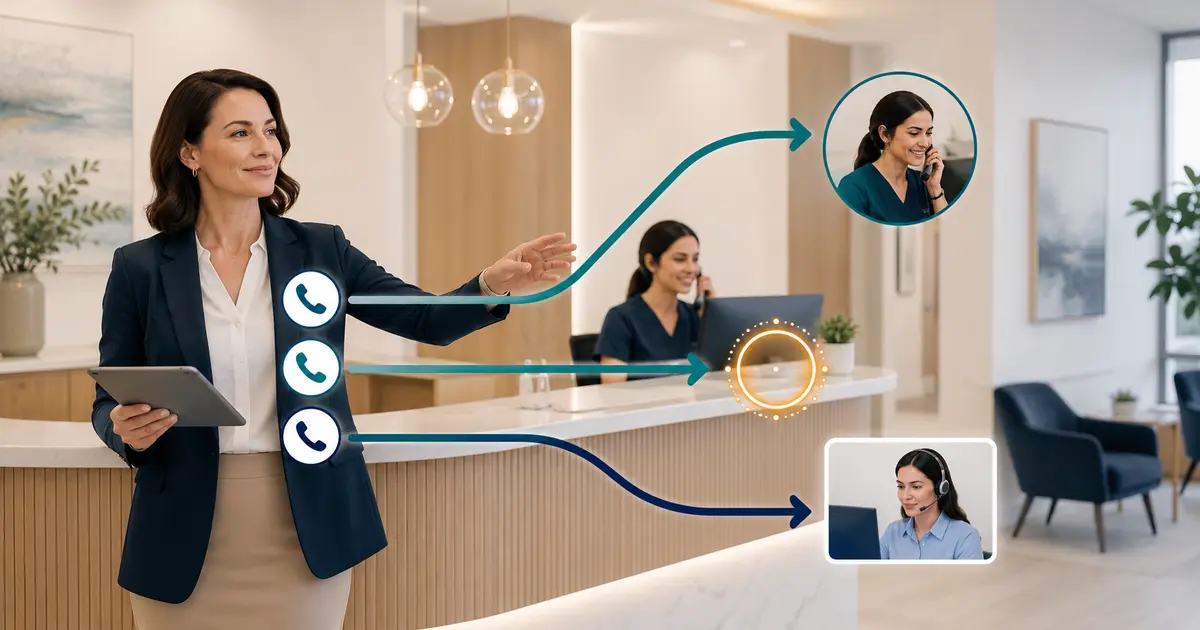
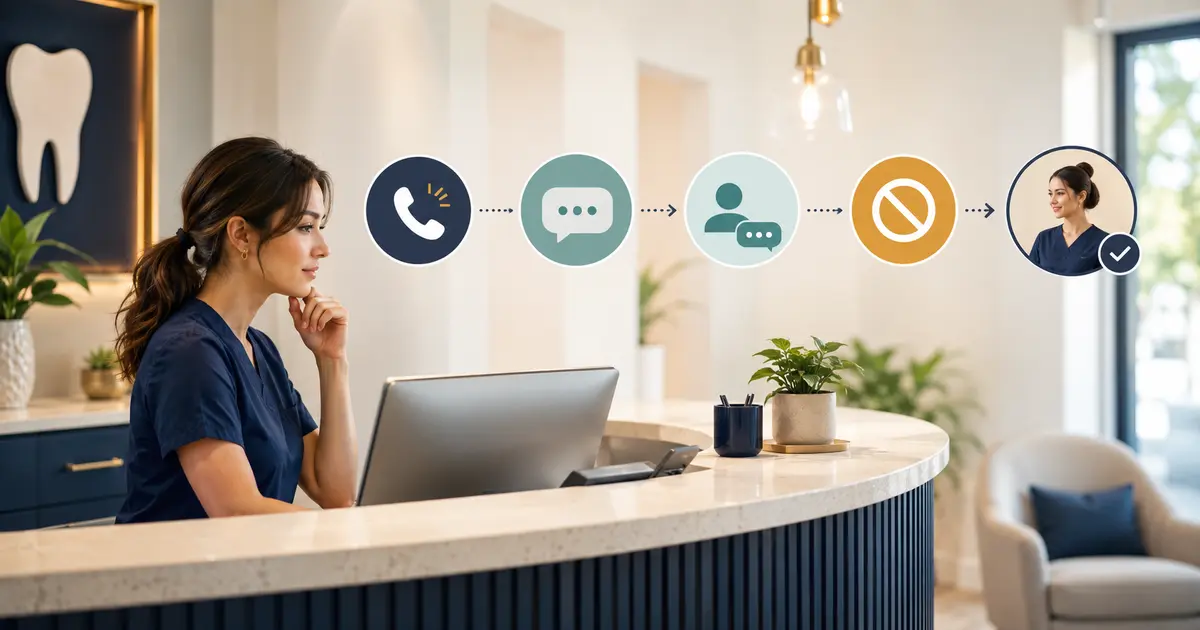
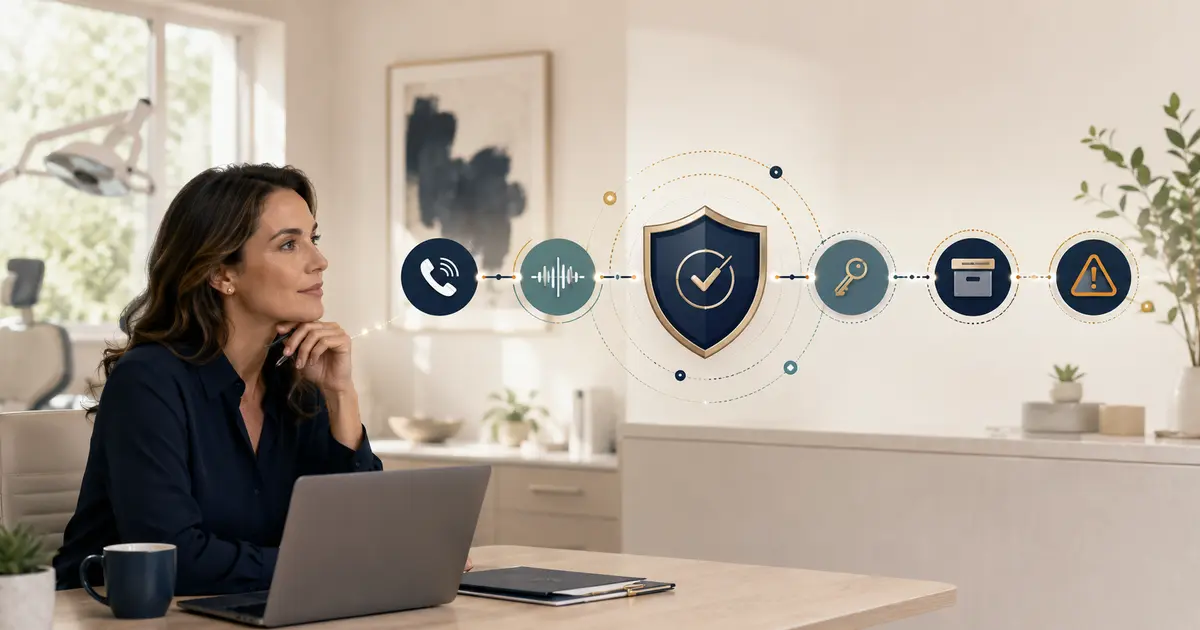
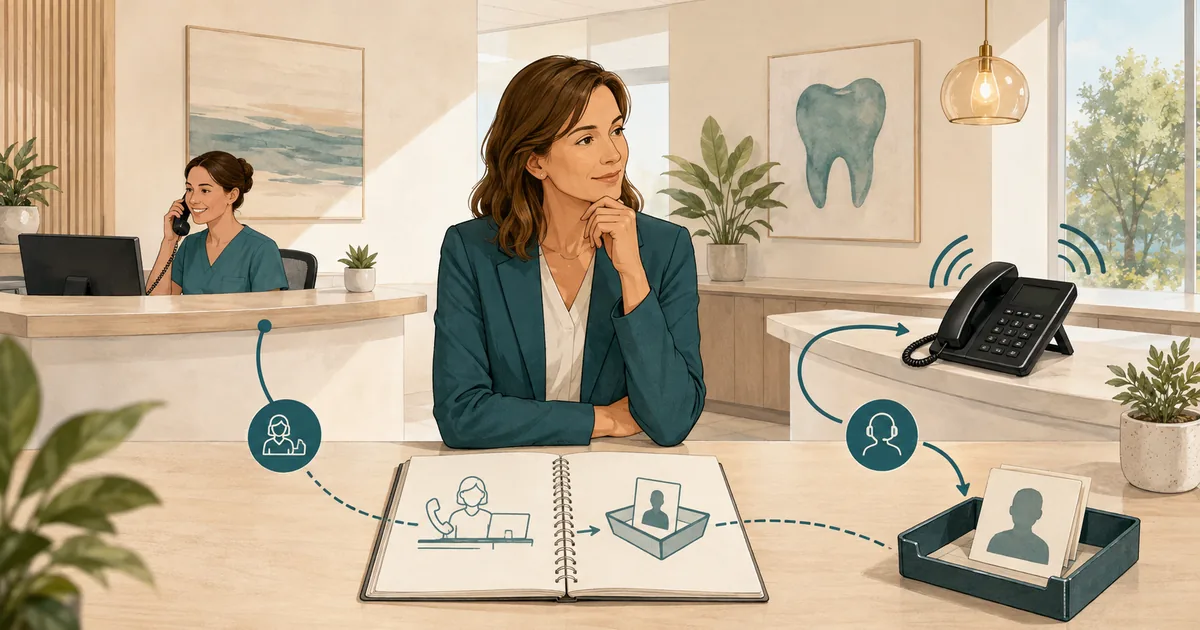
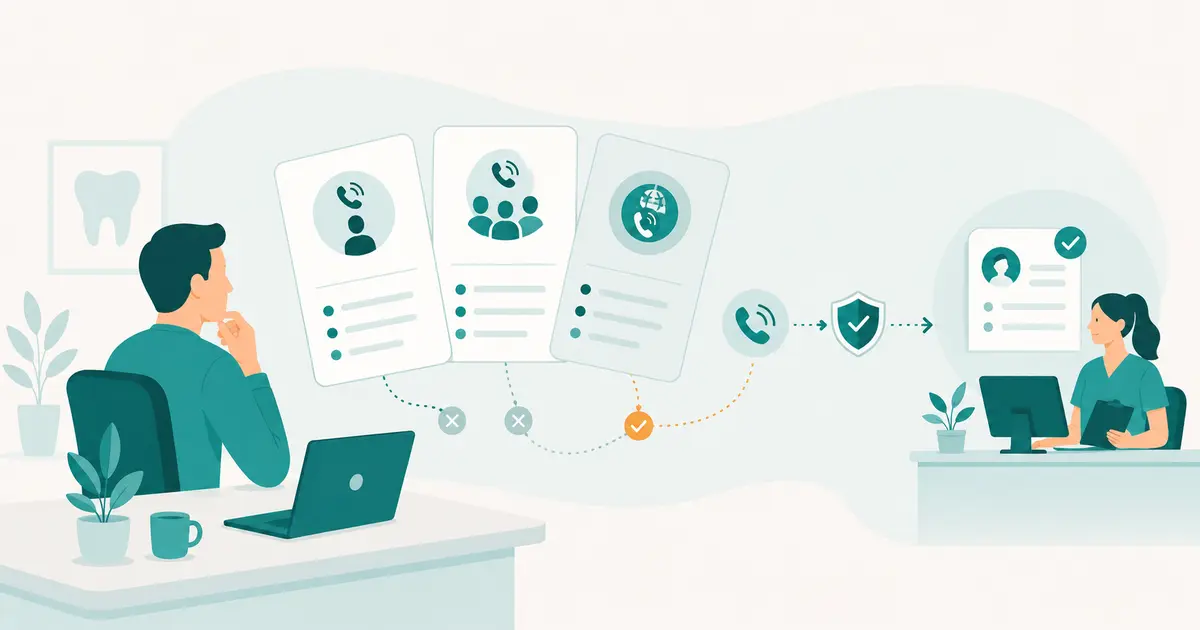
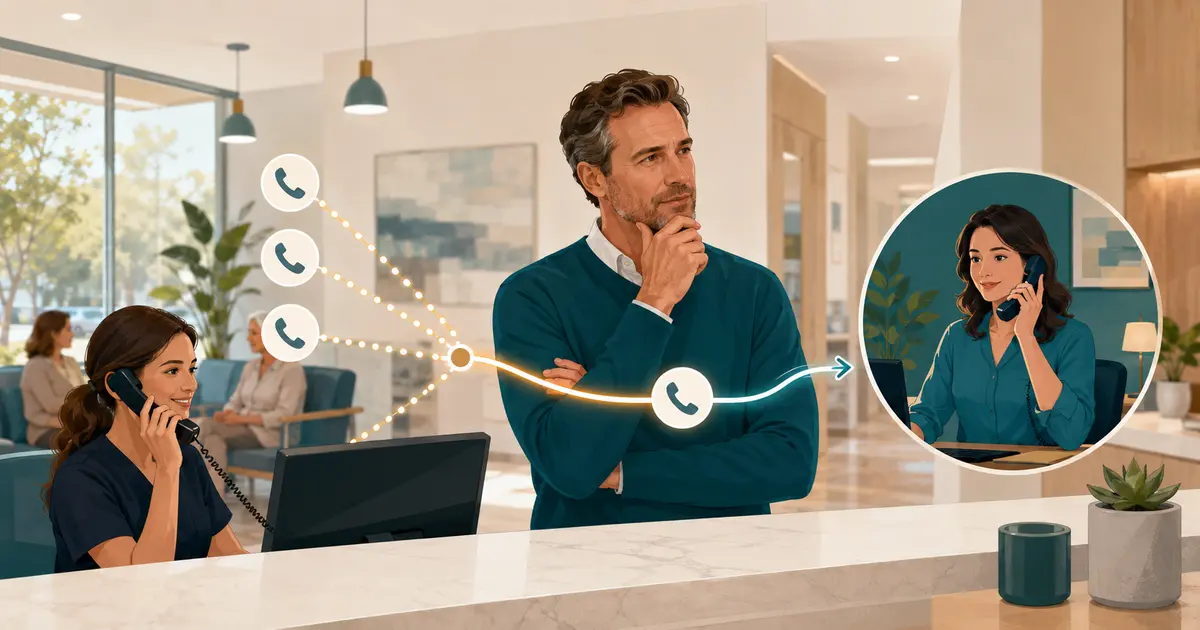
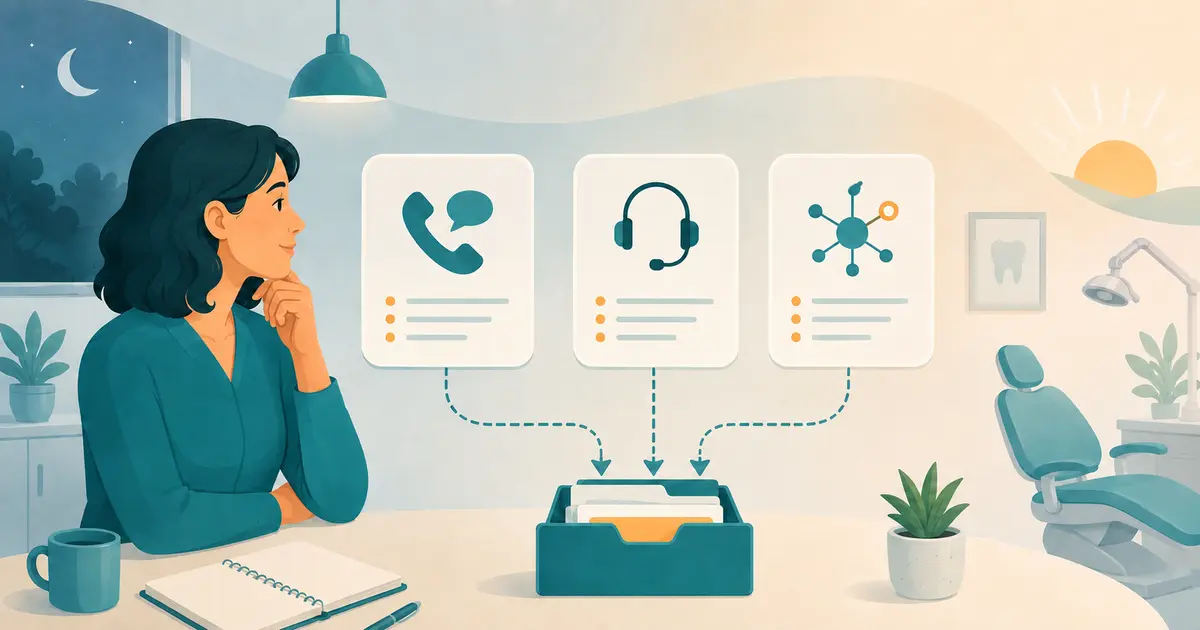
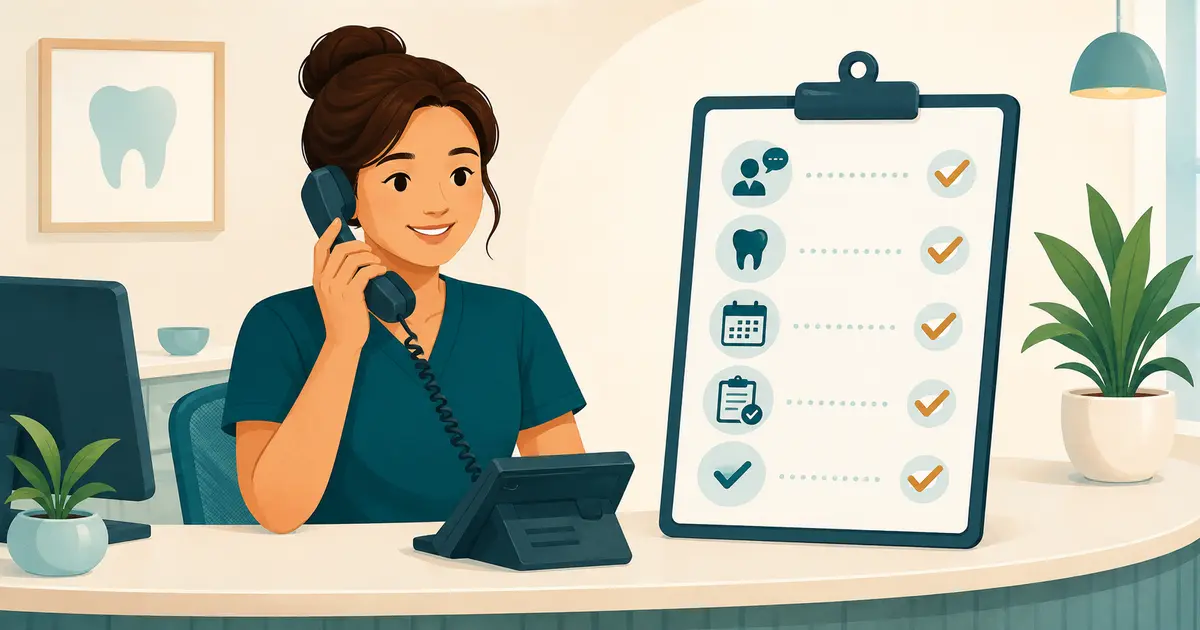
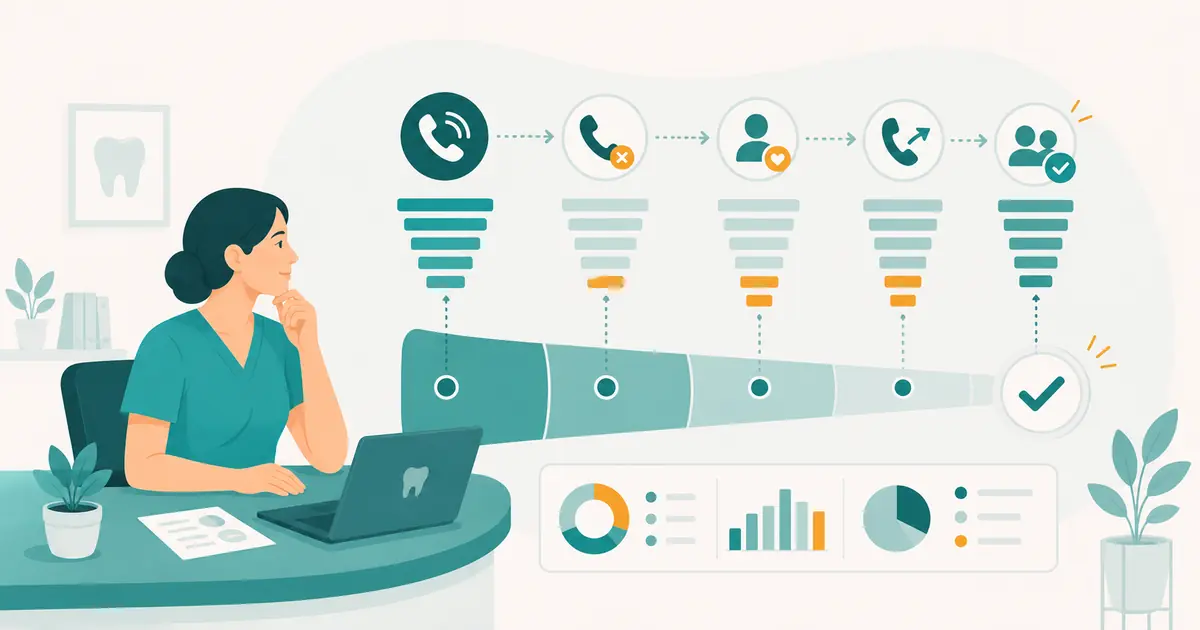
Audit dental phone system access across administrators, agents, shared credentials, integrations, recordings, exports, support access, recovery methods, and offboarding.
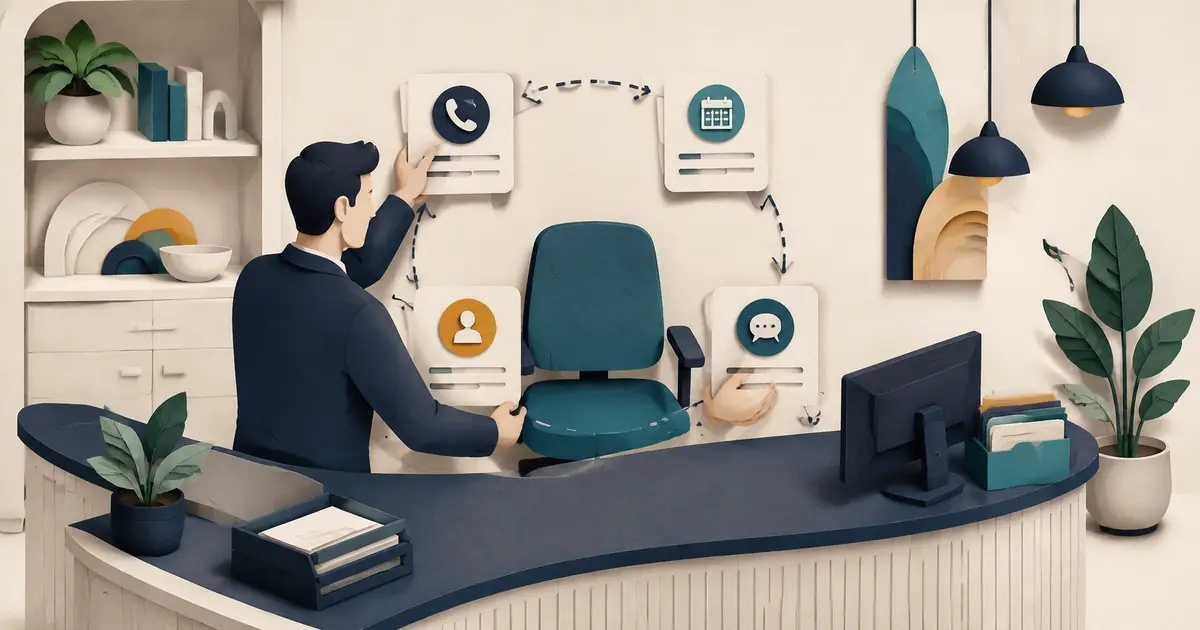
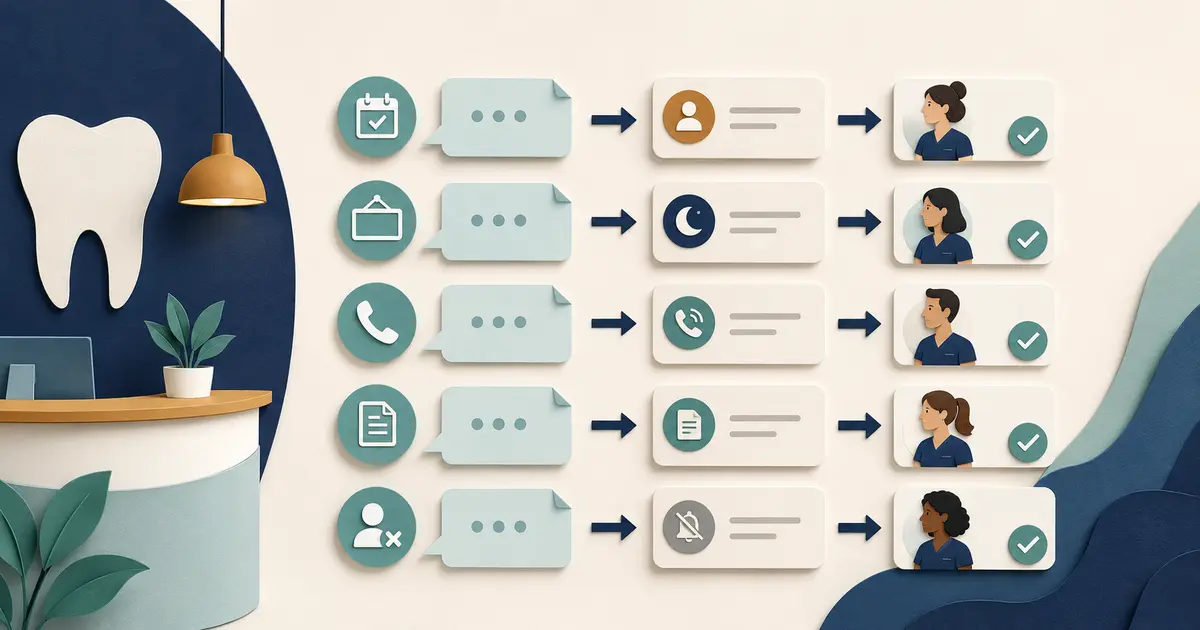
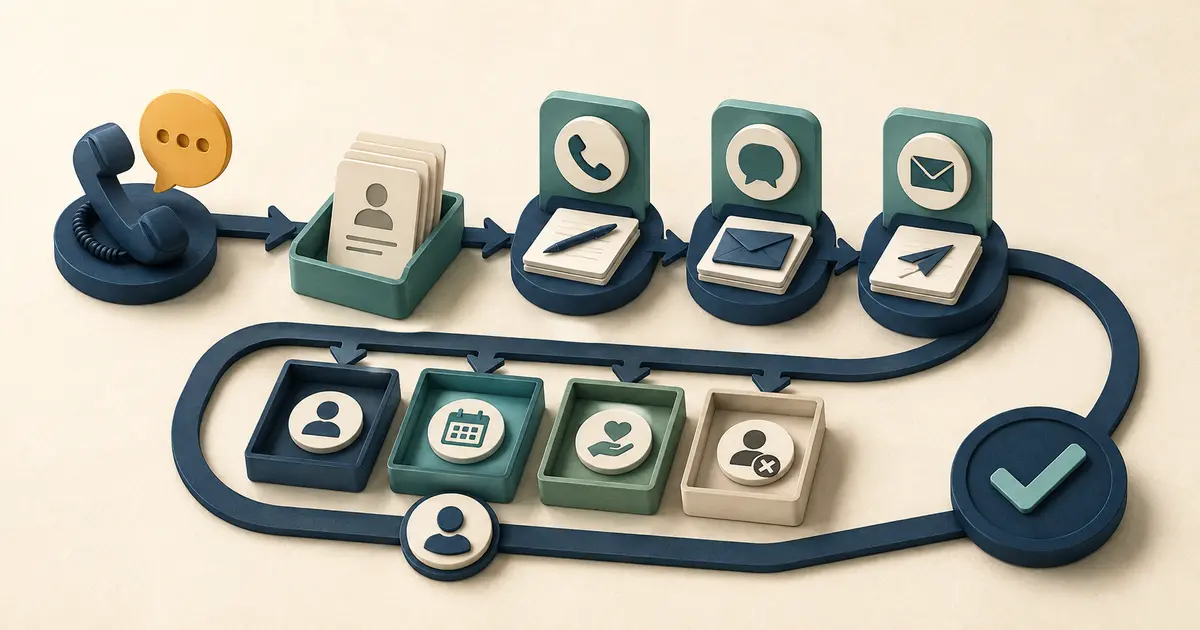
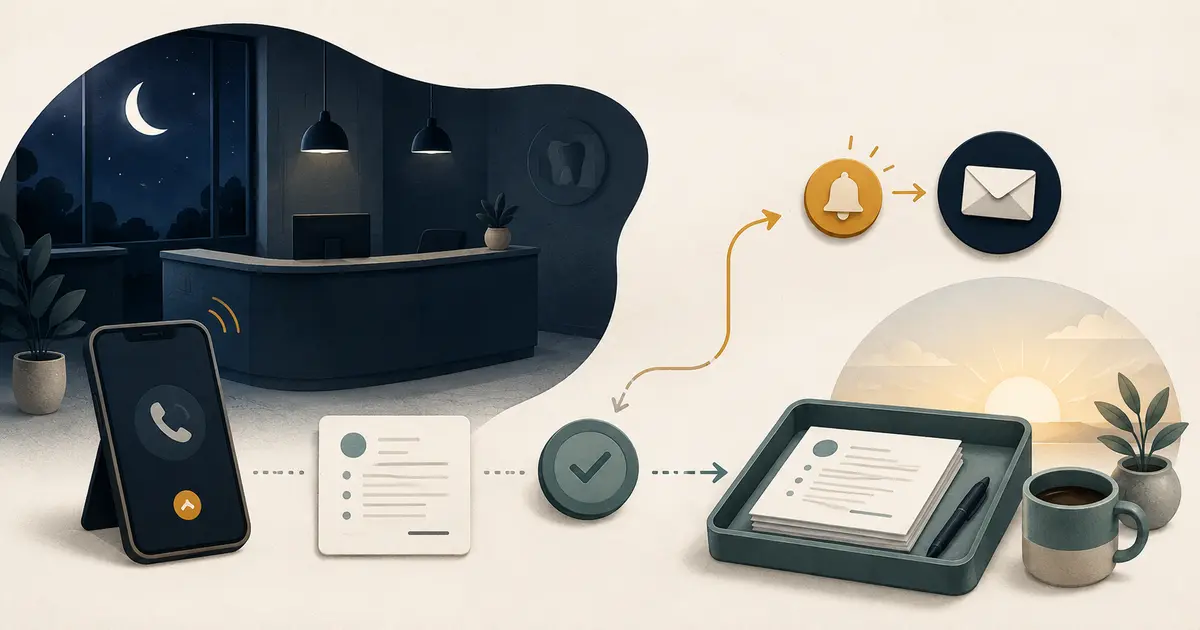
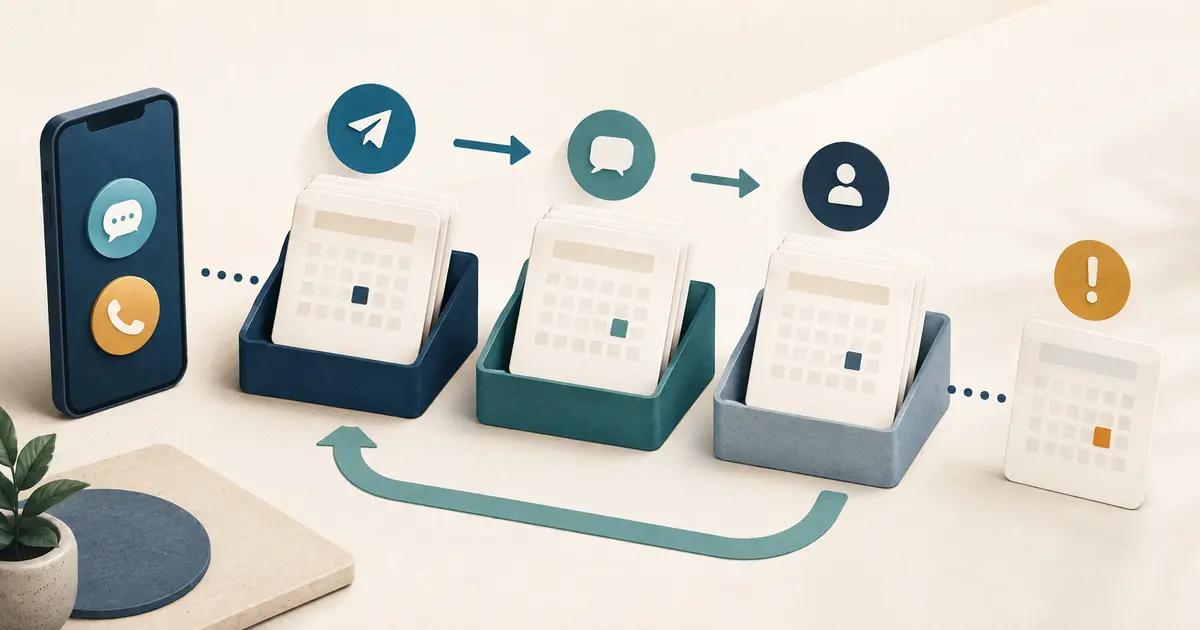
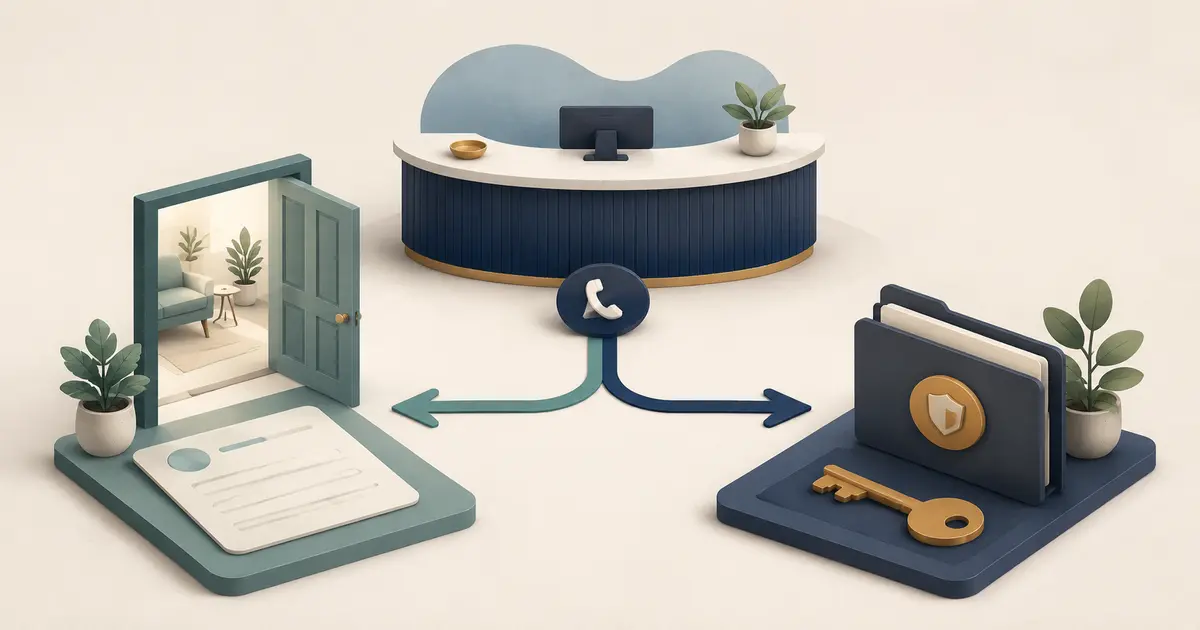
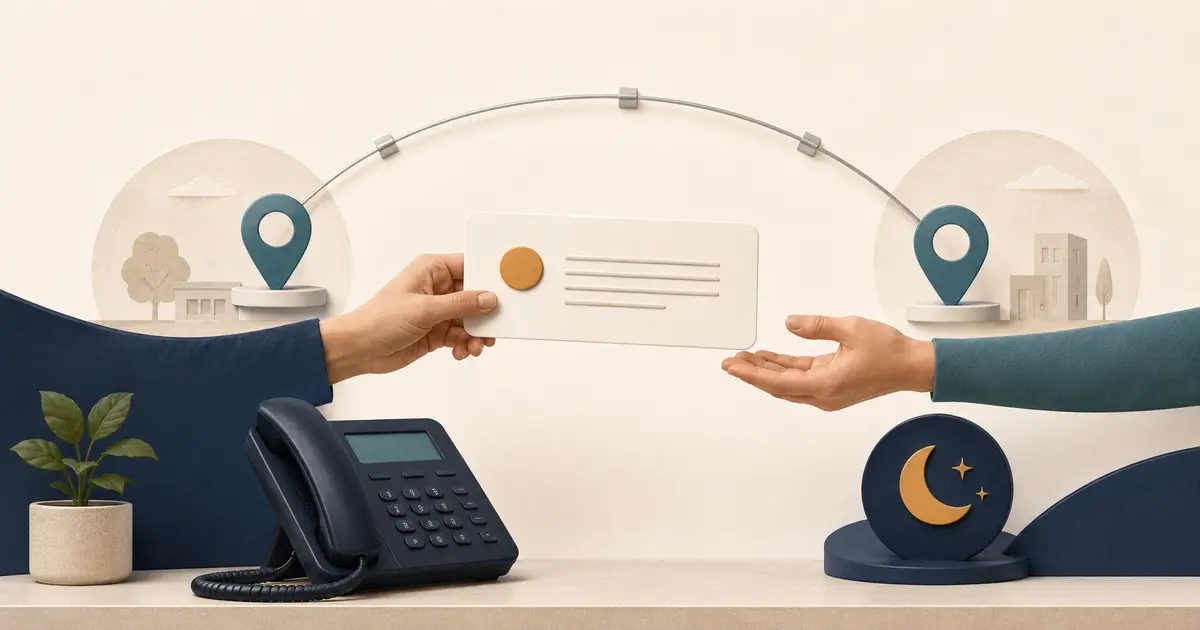
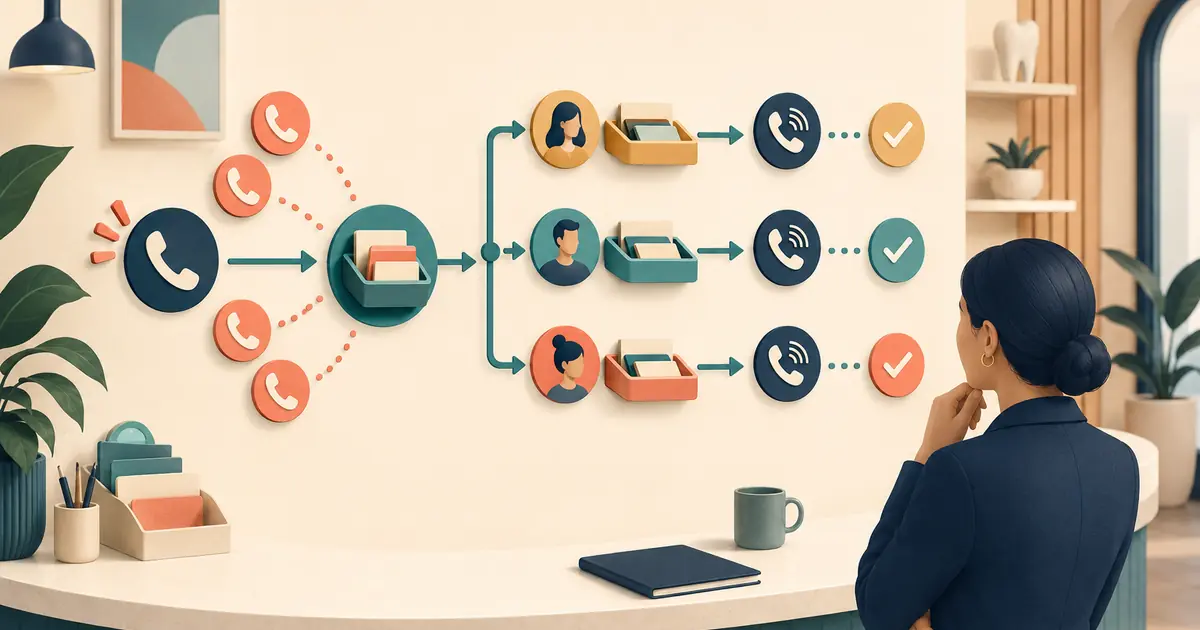
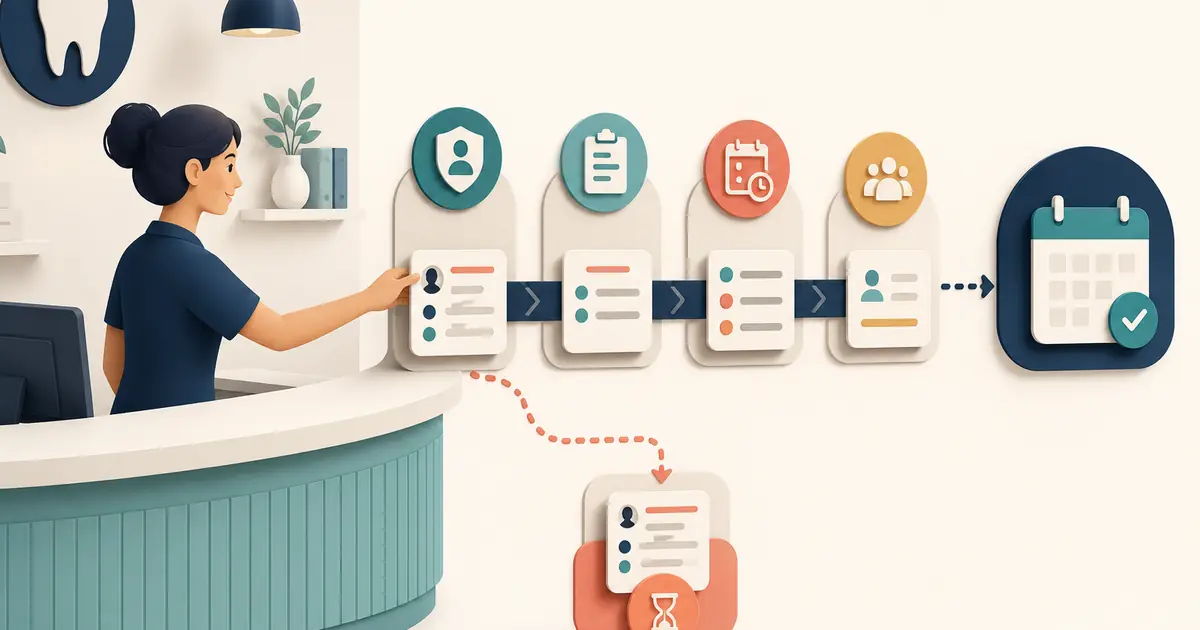
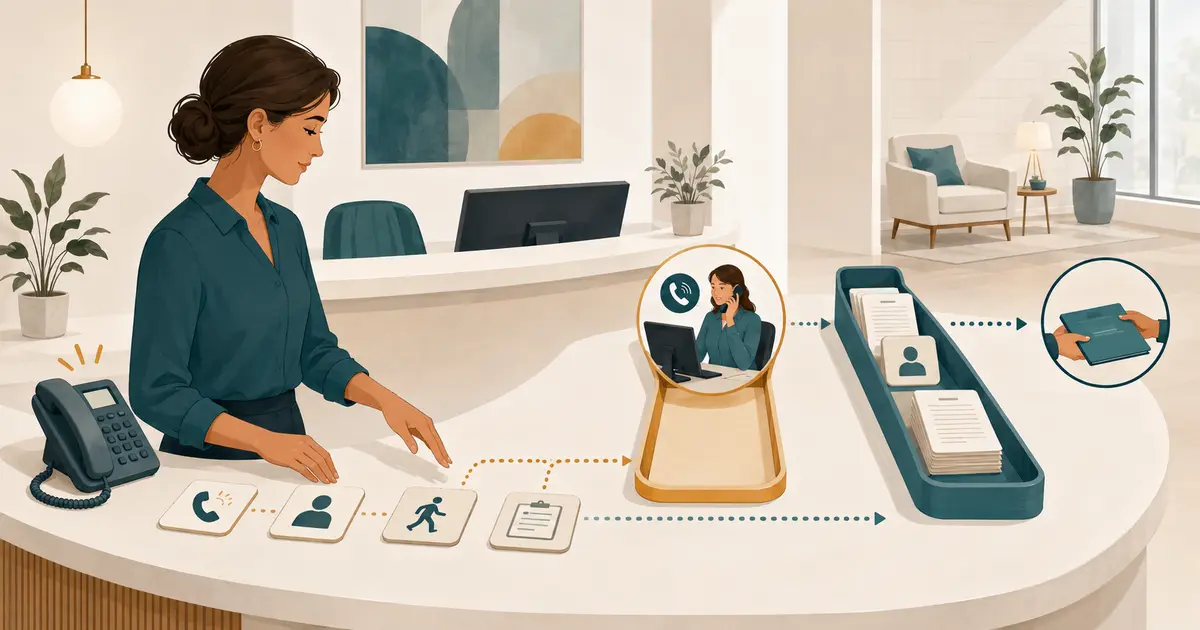
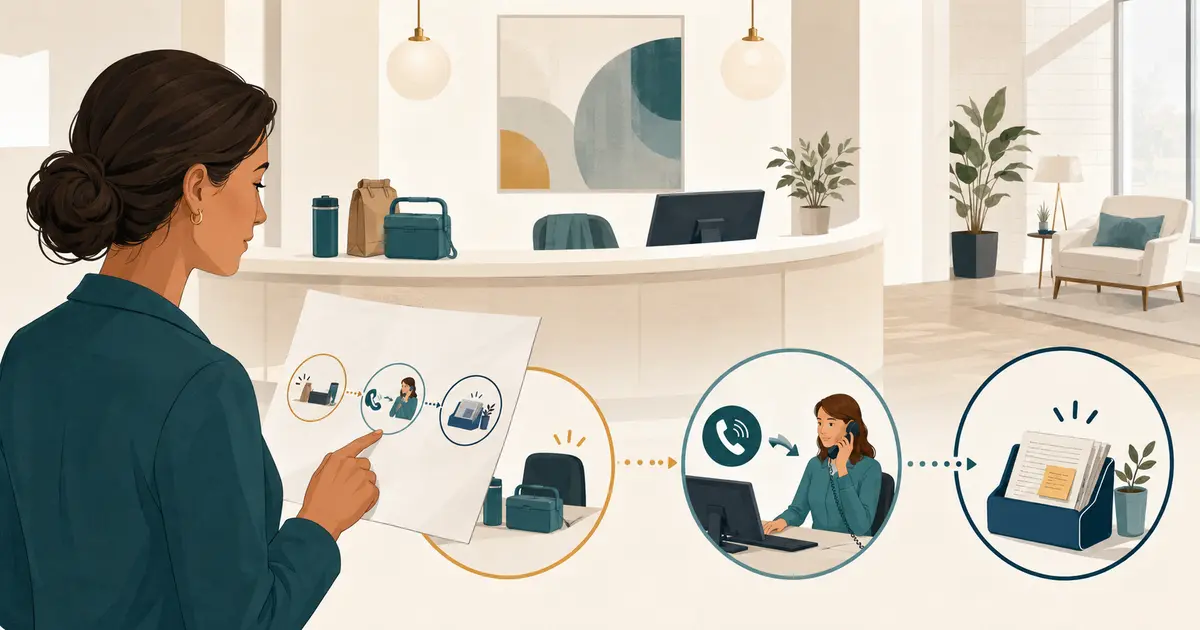
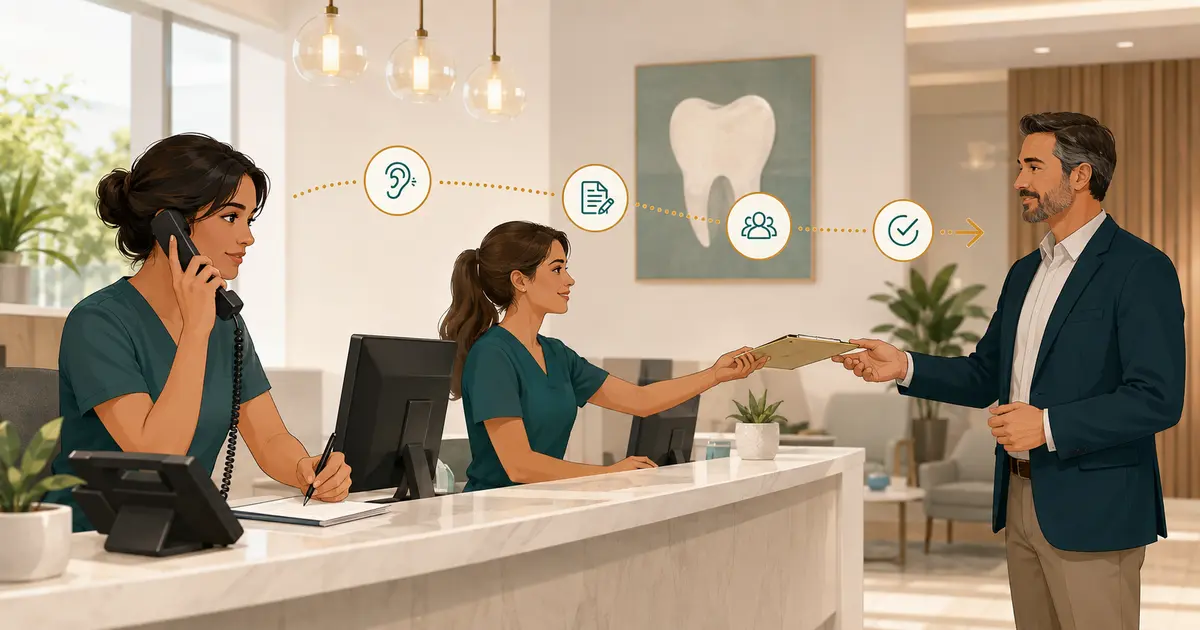
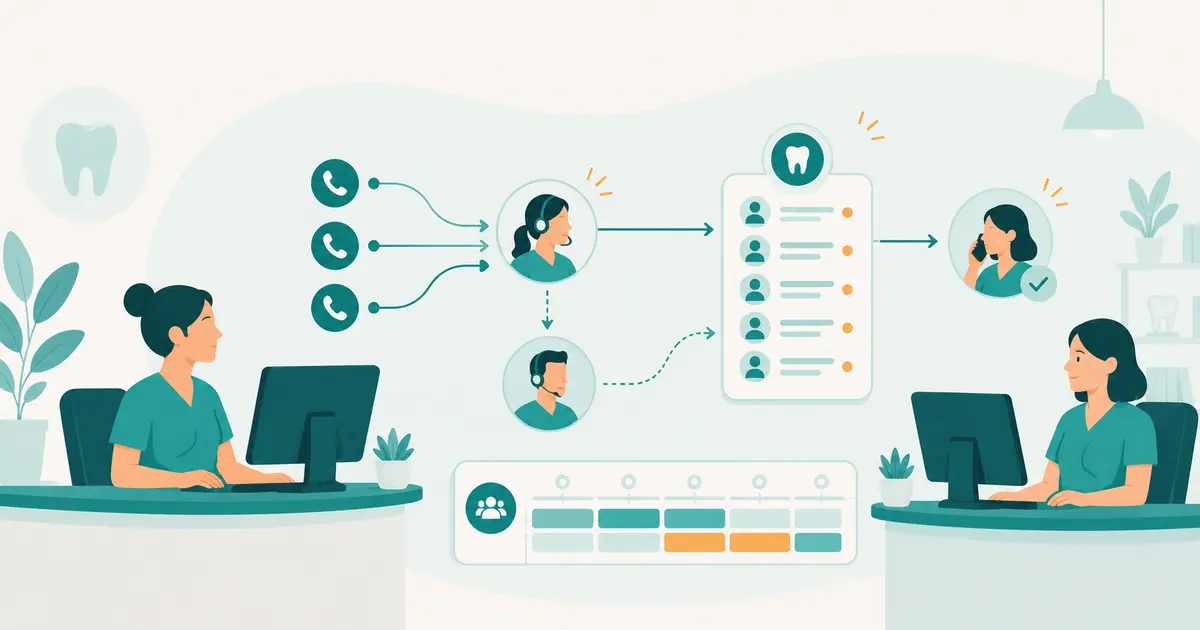
Use a concise dental front desk shift handoff to reconcile open calls, named owners, due times, privacy limits, duplicate records, exceptions, and confirmed closure.
Run a dental office VoIP quality test for latency, jitter, packet loss, one-way audio, Wi-Fi, concurrent traffic, failover, monitoring, and provider escalation.
Set up and test a dental office caller ID name with provider-specific CNAM registration, accurate business identity, controlled outbound numbers, and realistic expectations.
Respond when a dental office phone number is marked spam: confirm the label, contain risky calling patterns, work with the carrier, register identity, and monitor results.
Train dental front desk teams to pause, verify, and escalate phone scams involving impersonation, urgent payments, credentials, remote access, and spoofed caller ID.
Build dental call disposition codes that separate contact, request type, handoff, and final outcome so owners can compare performance without hiding unknowns.
Review a dental phone system SLA for measurable availability, support, restoration, maintenance, incident evidence, data access, credits, escalation, and contract exit.
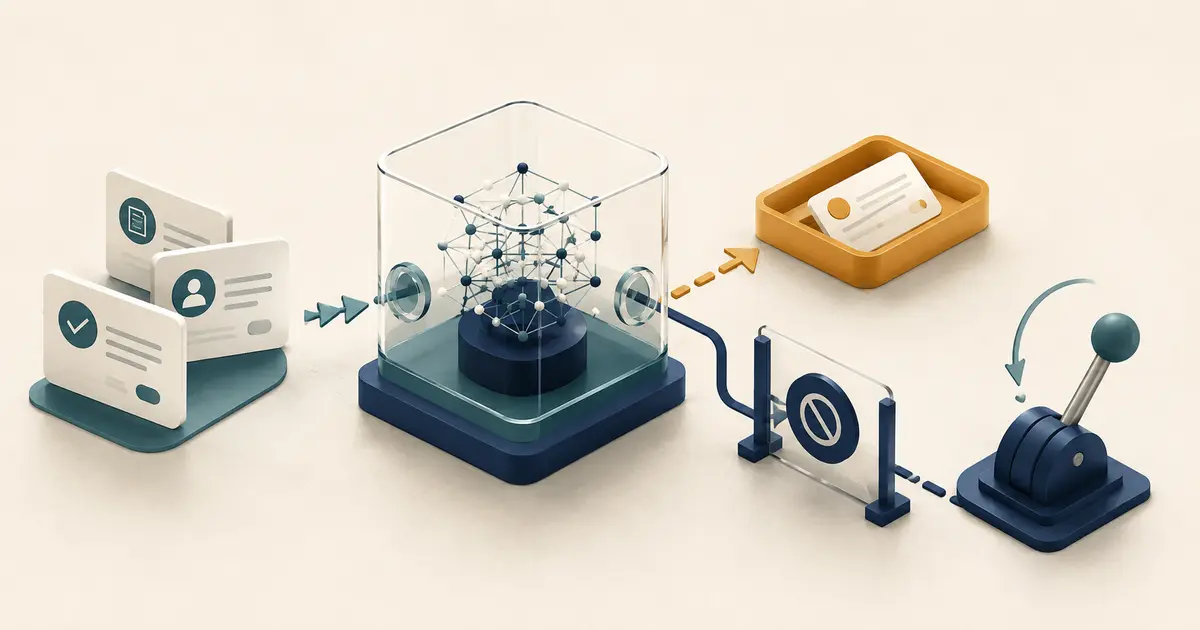
Compare an AI vs. human dental receptionist by task, assigning automation, human, or shared responsibility based on judgment, authority, privacy, and exceptions.
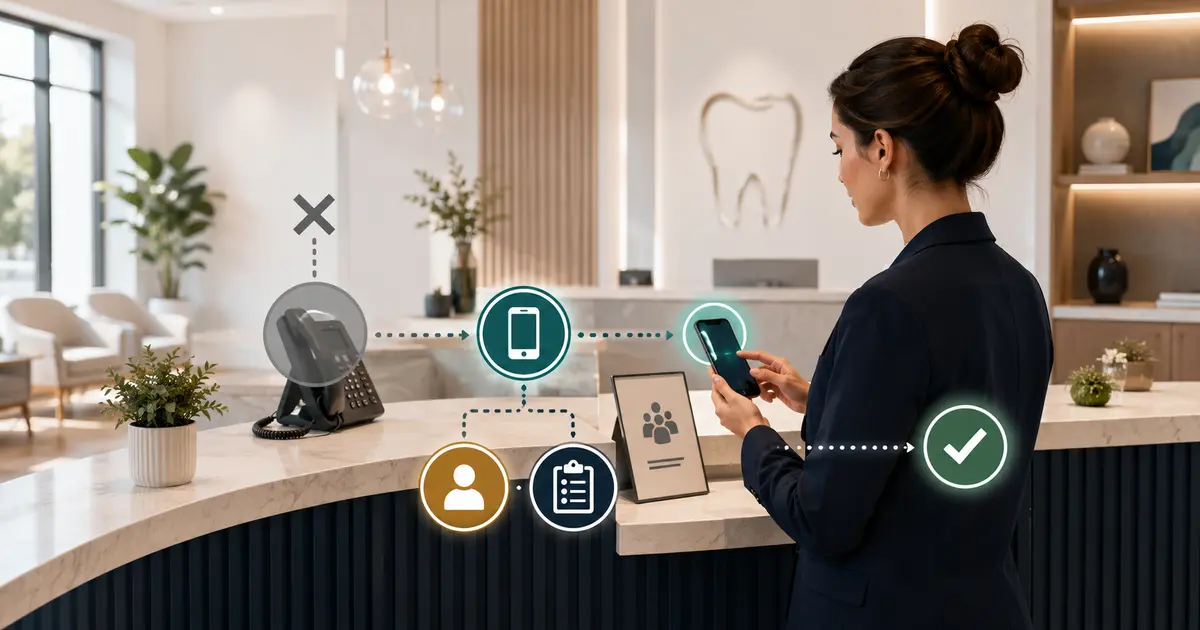
Audit dental marketing missed calls from ad click and call routing through answer coverage, inquiry capture, follow-up ownership, outcomes, and corrective action.
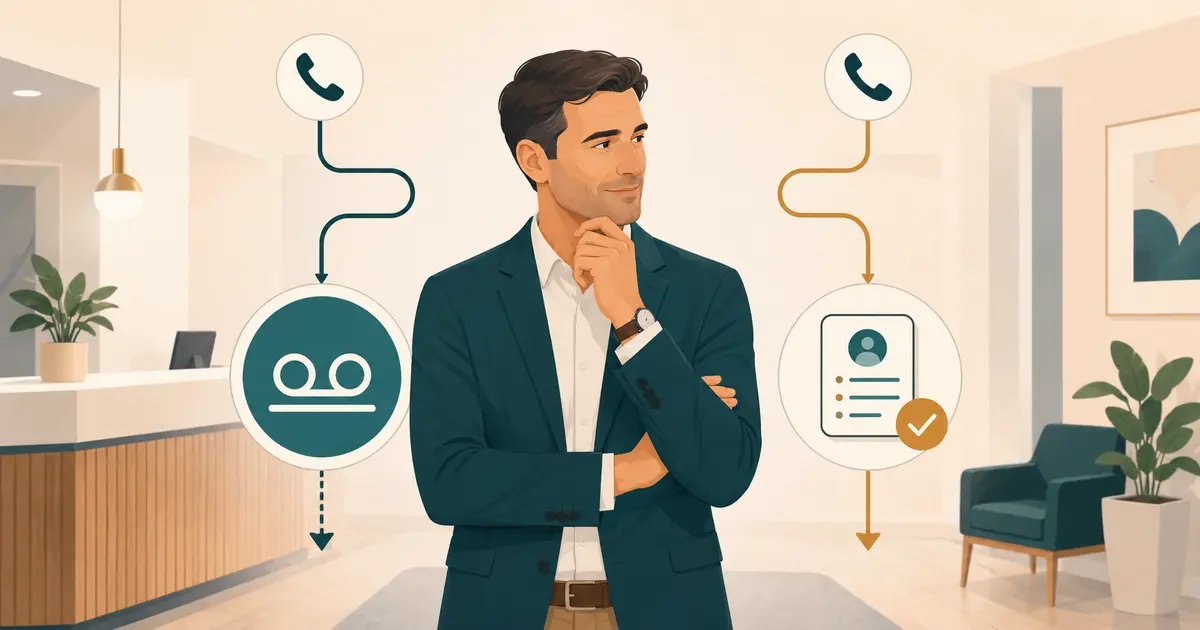
Replace dental office voicemail through a staged migration with routing tests, active fallback, ownership, staff training, monitoring, patient communication, and rollback.
Compare local and toll-free dental phone numbers across patient familiarity, ownership, routing, marketing attribution, continuity, and administrative control.
Turn patient expectations when calling a dentist into measurable standards for greeting, listening, clarity, privacy, ownership, callbacks, and closure.
Compare building or buying a dental office missed-call solution across coverage, workflow ownership, privacy, reporting, resilience, cost, and exit options.
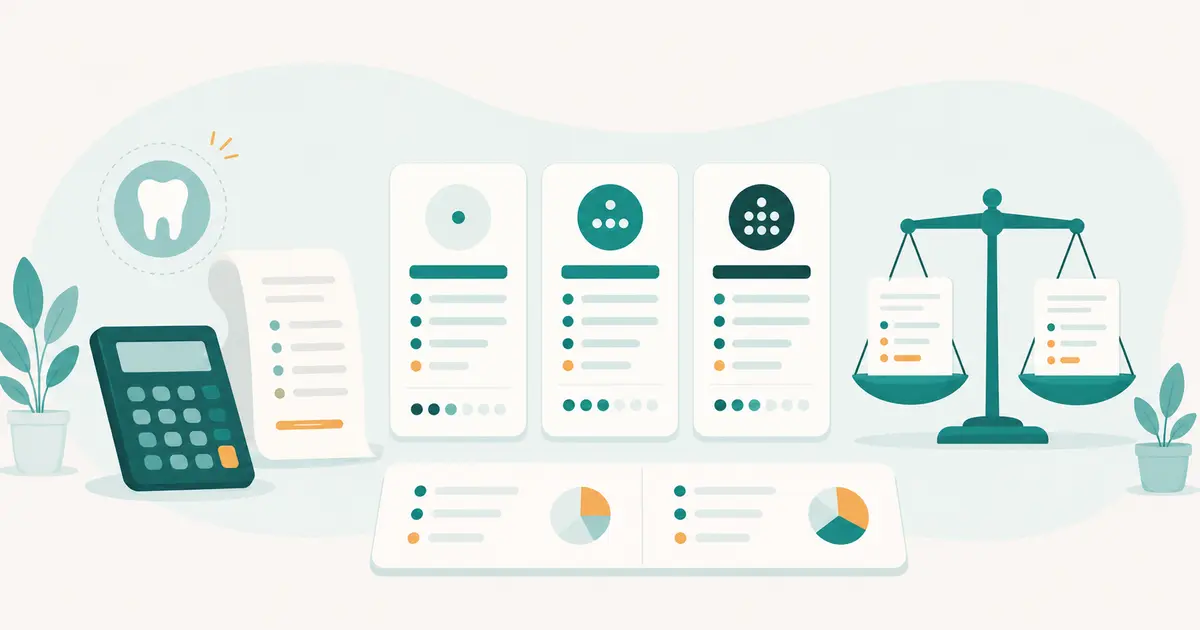
Estimate the cost to hire a dental receptionist using local wages, payroll burden, benefits, recruiting, training, equipment, coverage, and supervision.
Create a dental office call center QA program with representative sampling, a behavior-based rubric, calibration, corrective action, and privacy controls.
Use a controlled dental schedule gap recovery workflow to validate an opening, contact eligible patients, confirm with staff, prevent double-booking, and record the outcome.
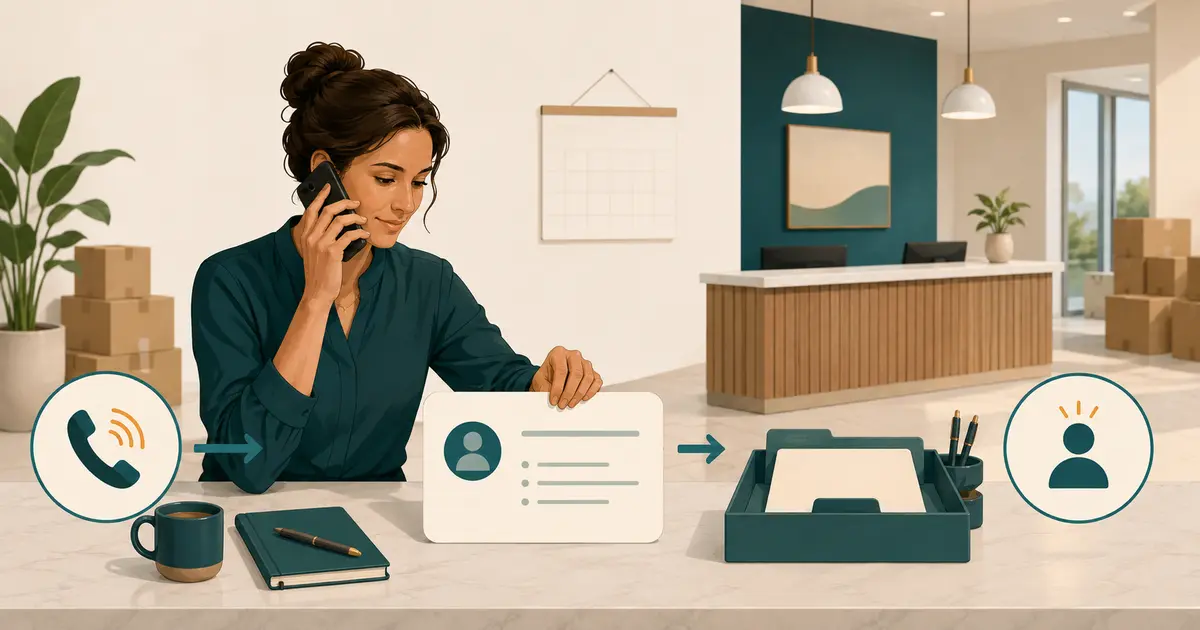
Create dental missed-call follow-up rules for prioritization, callback and text attempts, opt-out, duplicate control, voicemail, ownership, and closure.
Build a dental appointment conversion benchmark from your own eligible inquiries, confirmed bookings, completed visits, exclusions, cohorts, and capacity.
Write a dental front desk job description that defines phone ownership, handoffs, decision limits, privacy, coverage, training, and measurable outcomes.
Build a dental voice bot failure plan for silence, latency, wrong answers, loops, dropped calls, missing summaries, human escalation, and safe recovery.
Govern centralized scheduling for dental groups with an authority matrix, location facts, exception routing, access control, reconciliation, and local override.
Evaluate a missed-call texting service for dentists by trigger accuracy, consent, sender identity, opt-out, duplicates, delivery, ownership, and failure handling.
Track Google Ads calls for a dental practice from the ad interaction through eligible inquiry, staff follow-up, confirmed appointment, and completed outcome.
Audit dental front desk productivity by mapping demand, interruptions, handoffs, rework, protected work blocks, and service tradeoffs over a normal week.
Use a dental appointment scheduling phone script that captures the request, confirms known details, and separates preferences from booked appointments.
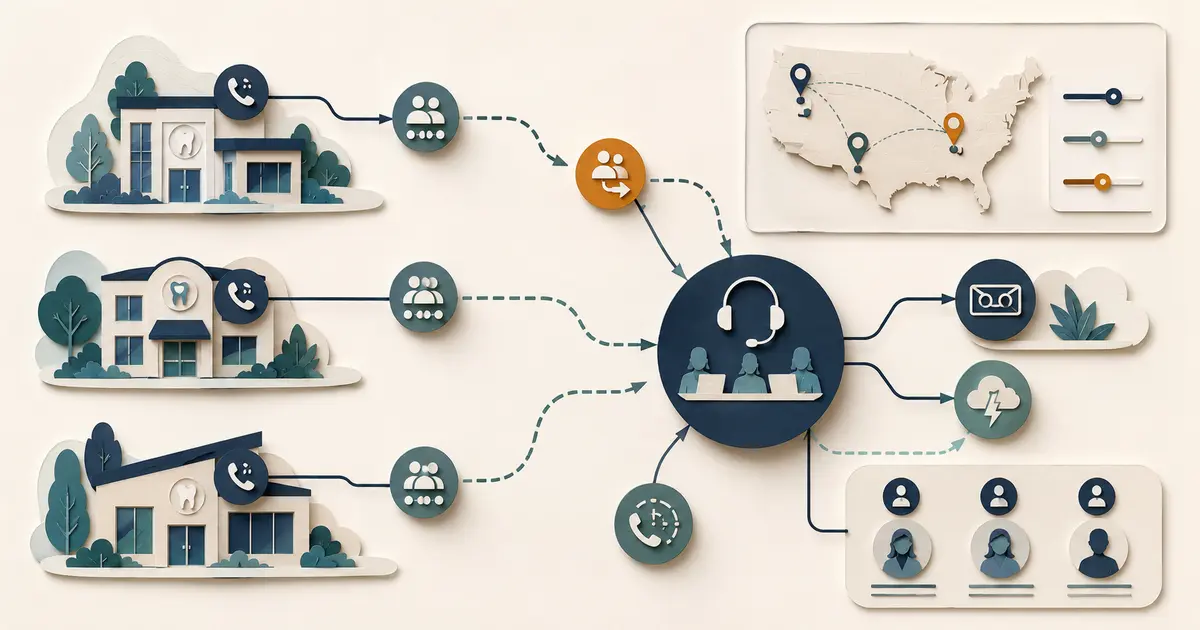
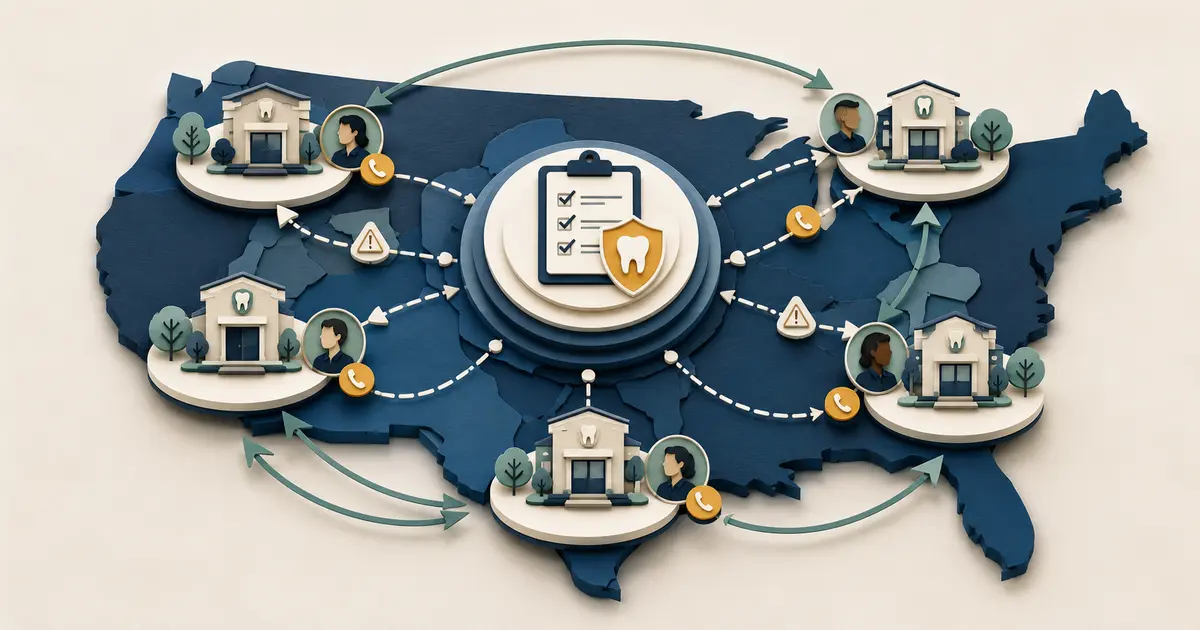
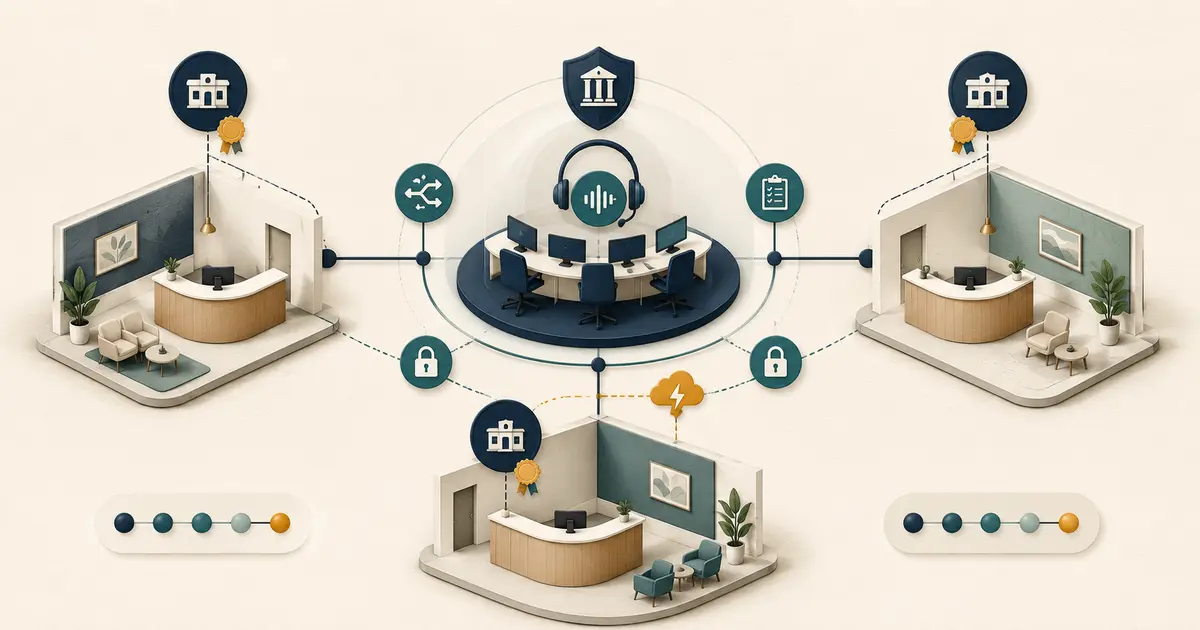
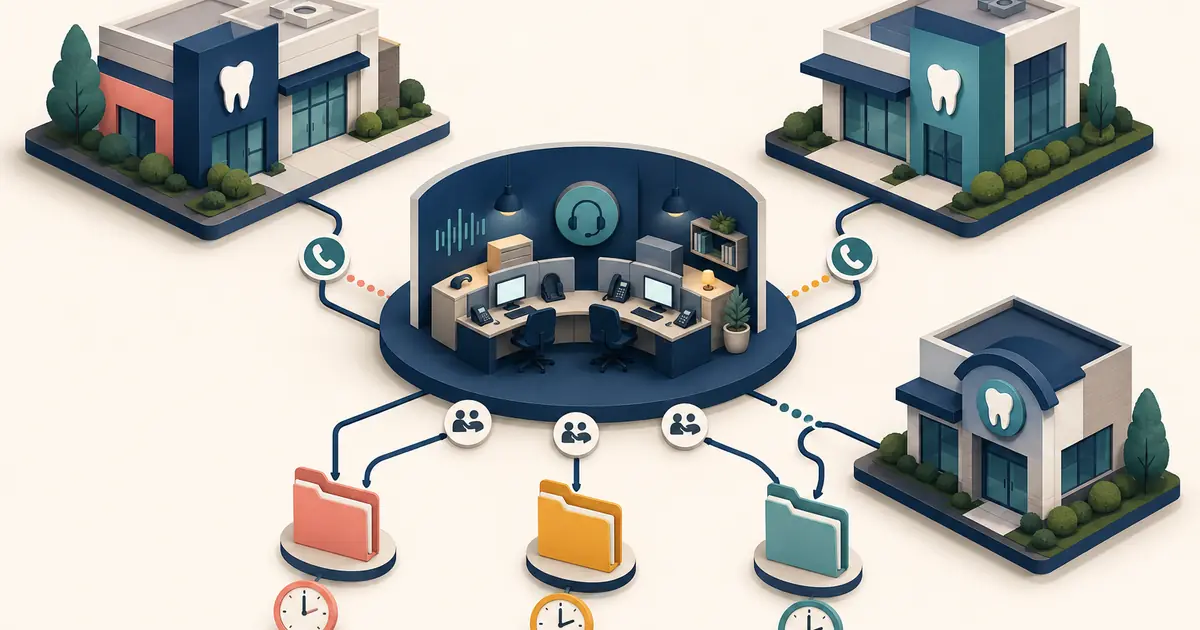
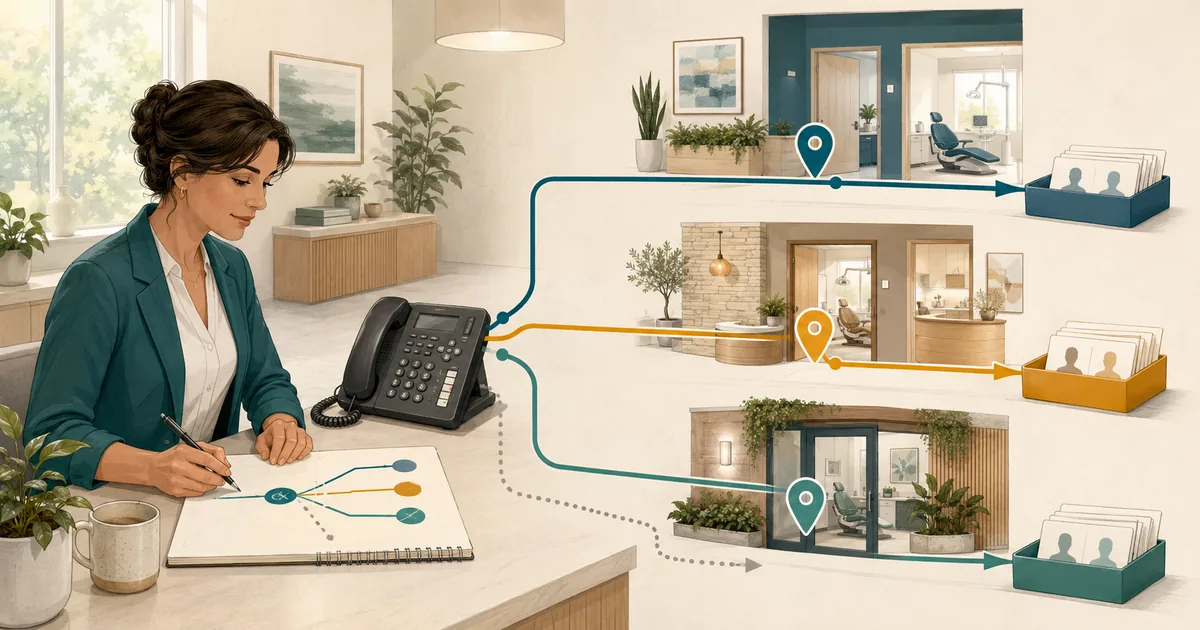
Specify a multi-location dental phone system with clear identity, hours, queues, overflow, transfers, local authority, outages, reporting, privacy, and exit.
Test patient acceptance of AI receptionists through transparency, comprehension, correction, accessibility, preference, escalation, handoffs, and real evidence.
Estimate the value of a new dental patient with practice cohorts, collections, variable costs, retention, time periods, attribution, uncertainty, and scenarios.
Use dental patient text message examples for requests, confirmations, changes, waits, callbacks, failures, wrong numbers, and opt-outs without overpromising.
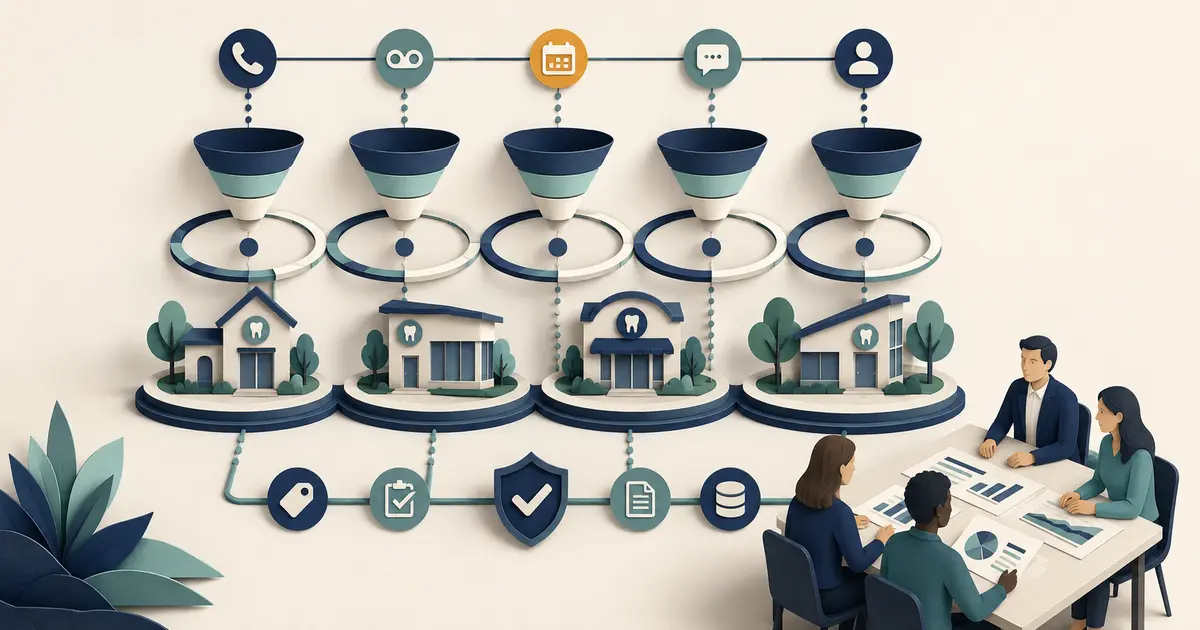
Build DSO missed-call management with shared definitions, location routing, central standards, local ownership, privacy, exceptions, metrics, and recovery.
Specify a prosthodontist answering service for complex-treatment inquiries, referrals, laboratories, records, postoperative calls, privacy, and staff follow-up.
Plan a cosmetic dentistry answering service for consultation goals, general service questions, photos, fees, financing, scheduling requests, and safe handoffs.
Verify an AI receptionist for Open Dental by checking the approved integration method, exact permissions, transactions, errors, security, audit logs, and exit.
Evaluate an AI receptionist for Eaglesoft by checking versions, API setup, vendor activation, permissions, transactions, errors, security, logs, and exit.
Evaluate voice AI for dental practices across speech, knowledge, policy, integrations, routing, handoffs, privacy, testing, monitoring, failures, and rollback.
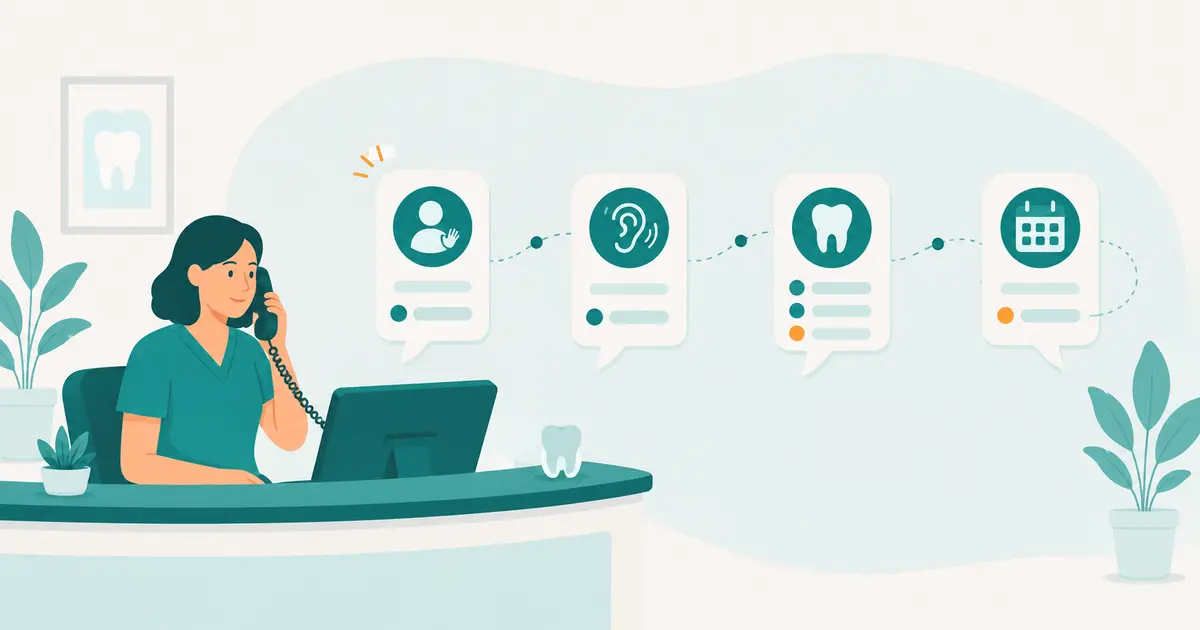
Choose dental new-patient intake questions that clarify the caller's request, support the next step, limit unnecessary data, and avoid diagnosis or promises.
Plan a periodontist answering service around referral, consultation, hygiene, implant, postoperative, urgent-call, privacy, and front desk handoff workflows.
Control dental appointment rescheduling AI with states, permissions, identity checks, collision tests, confirmations, exceptions, recovery, and audits.
Use dental office call handling best practices to standardize greetings, listening, holds, documentation, escalation, callbacks, privacy, and final ownership.
Build a dental scheduling workflow with distinct request, review, offer, hold, confirmation, change, cancellation, waitlist, exception, and closure states.
Plan a virtual receptionist for a dental office by defining the service model, call scope, authority, data access, handoffs, testing, and launch controls.
Test an AI phone answering service for dental offices with realistic calls, approved facts, corrections, boundaries, handoffs, failure cases, and evidence.
Evaluate a HIPAA-compliant dental answering service by mapping roles, data flows, safeguards, contracts, access, retention, incidents, and vendor exit.
Evaluate dental emergency answering by separating message capture and escalation from diagnosis, urgency decisions, treatment advice, and clinical judgment.
Build dental phone lead follow-up with an eligible queue, accurate request states, channel preferences, staff ownership, attempts, closure, and measurement.
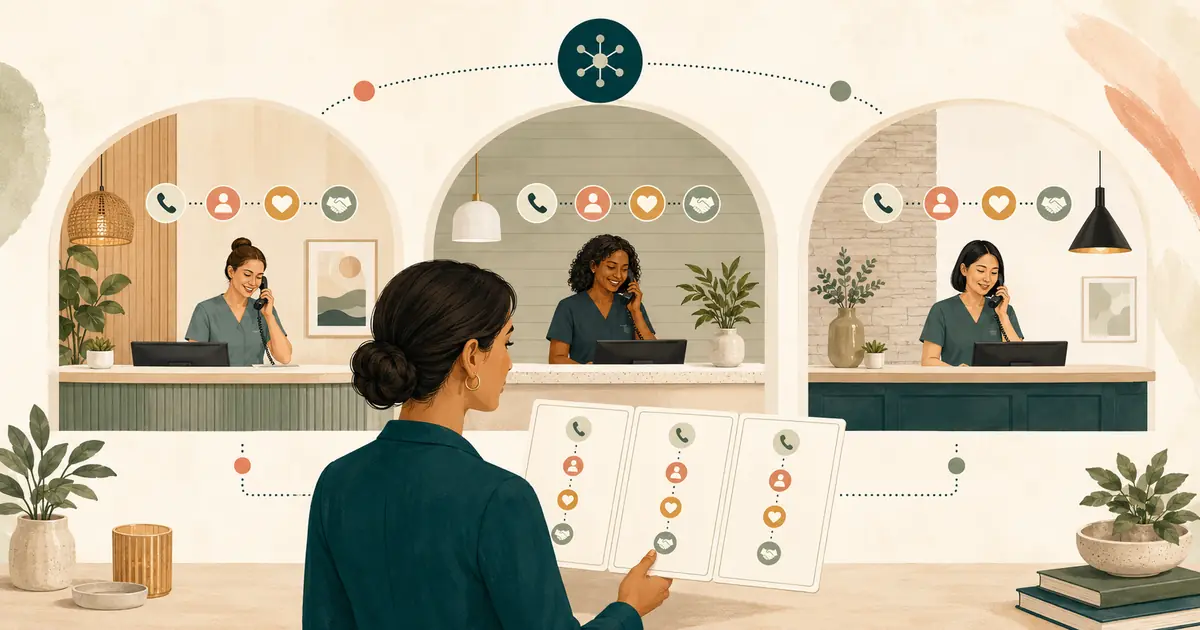
Govern multi-practice dental call coverage with shared standards, location facts, local authority, escalation, privacy, vendor access, outages, and reporting.
Evaluate dental insurance verification and AI by defining eligibility and benefit fields, sources, timestamps, authority, exceptions, wording, and audits.
Evaluate AI dental appointment scheduling by mapping request and booking states, permissions, rules, identity, collisions, failures, staff review, and rollback.
Use a missed-call text template that identifies the practice, limits detail, avoids booking claims, sets next steps, handles replies, and assigns ownership.
Evaluate an outbound dental recall service by defining eligible lists, consent, scripts, identity, clinical limits, outcomes, privacy, ownership, and audits.
Plan an endodontist answering service around referral context, office facts, pain-call handoffs, after-hours escalation, privacy, failures, and staff review.
Compare AI receptionist vs. employee cost with a transparent dental practice model covering roles, loaded labor, software, oversight, risk, and capacity.
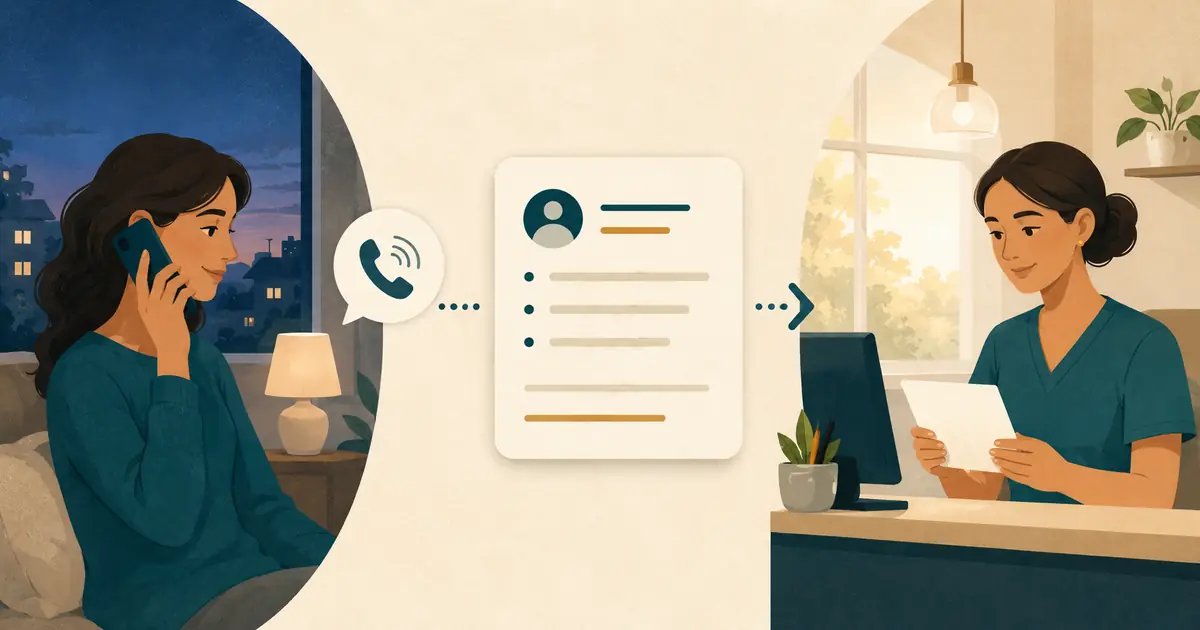
Plan after-hours new-patient calls before opening with truthful office facts, non-clinical intake, request states, next-day ownership, escalation, and testing.
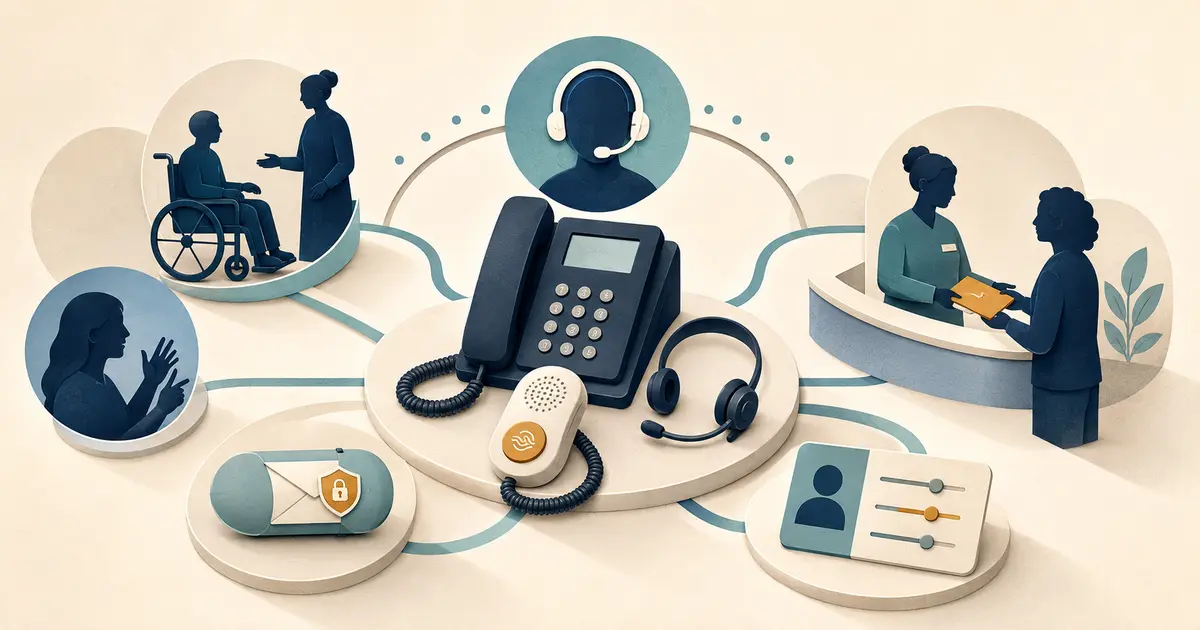
Build accessible dental phone communication with relay and interpreter support, patient preferences, alternate channels, trained staff, privacy, and review.
Handle same-day dental appointment requests with accurate status language, minimal intake, staff-owned availability, escalation, privacy, and reconciliation.
Evaluate HIPAA-compliant texting for dental offices through purpose, data flow, safeguards, BAAs, identity, access, retention, patient requests, and incidents.
Plan dental office AI automation by inventorying tasks, defining authority, testing failures, assigning human review, securing access, and measuring outcomes.
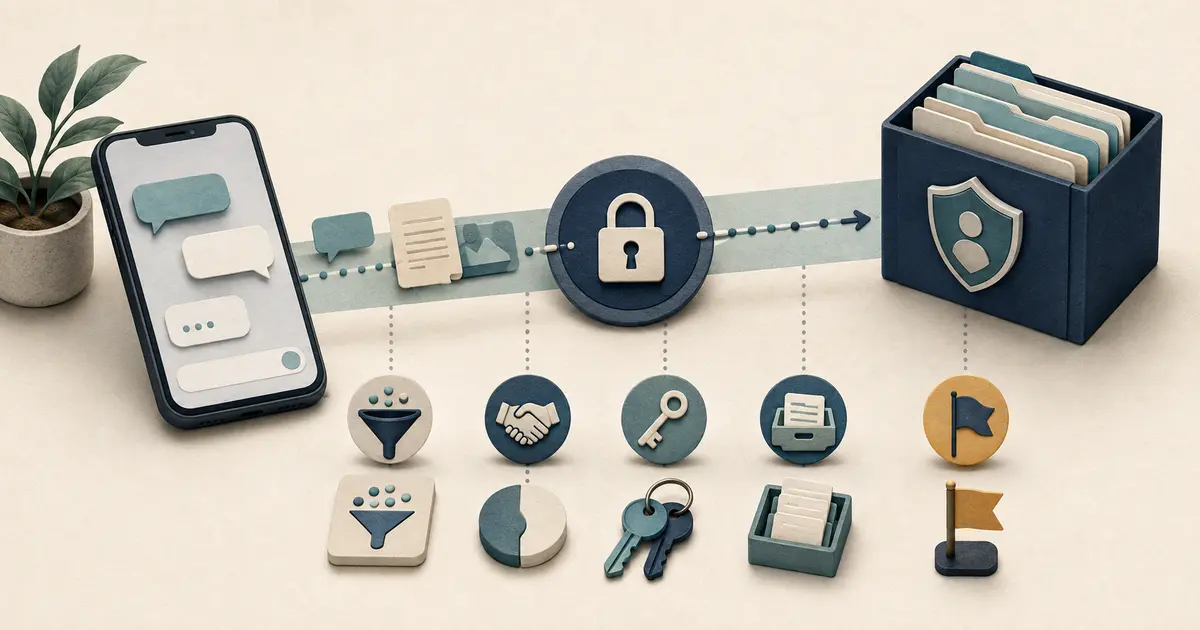
Use secure messaging for dental offices with channel rules, identity checks, minimum necessary content, role access, retention, exception handling, and audits.
Use dental waitlist automation with eligibility rules, fair offer order, expiring holds, collision controls, staff approval, privacy, and final confirmation.
Evaluate a bilingual dental answering service by verifying languages, interpreter qualifications, approved scripts, escalation, privacy, testing, and reporting.
Plan a pediatric dental answering service around guardian context, office facts, after-hours escalation, accessibility, privacy, and staff-owned follow-up.
Control dental AI hallucinations with a narrow knowledge source, blocked topics, uncertainty language, staff escalation, testing, monitoring, and rollback.
Choose a dental phone system with texting by testing number ownership, routing, consent, privacy, outages, roles, records, and vendor exit before opening.
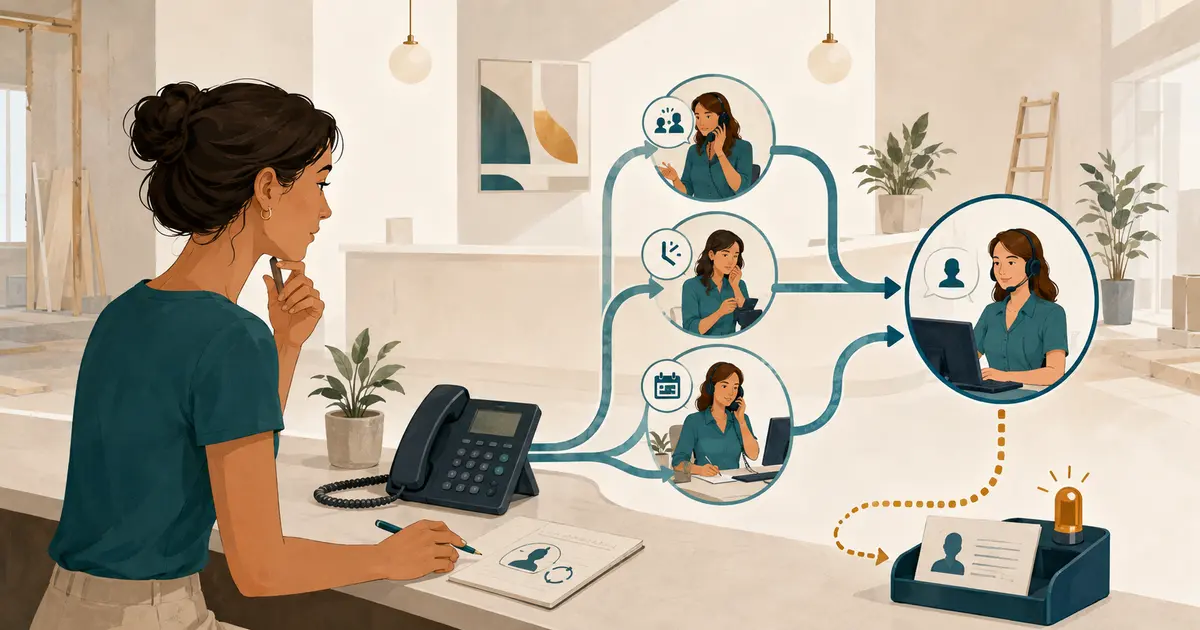
Manage a dental front desk staffing shortage with workload triage, call coverage, cross-training, access controls, escalation, and a measured recovery plan.
Handle new and existing patient calls with separate identity, intake, privacy, scheduling, documentation, and handoff rules that keep every request accurate.
Evaluate an answering service for orthodontists by testing office facts, location routing, appliance messages, after-hours handoffs, privacy, and follow-up.
Evaluate an AI receptionist for Dentrix by verifying versions, API authorization, read and write scope, identity matching, failures, security, and rollback.
Use a dental appointment request text template that confirms receipt without implying booking, limits details, assigns follow-up, and handles replies safely.
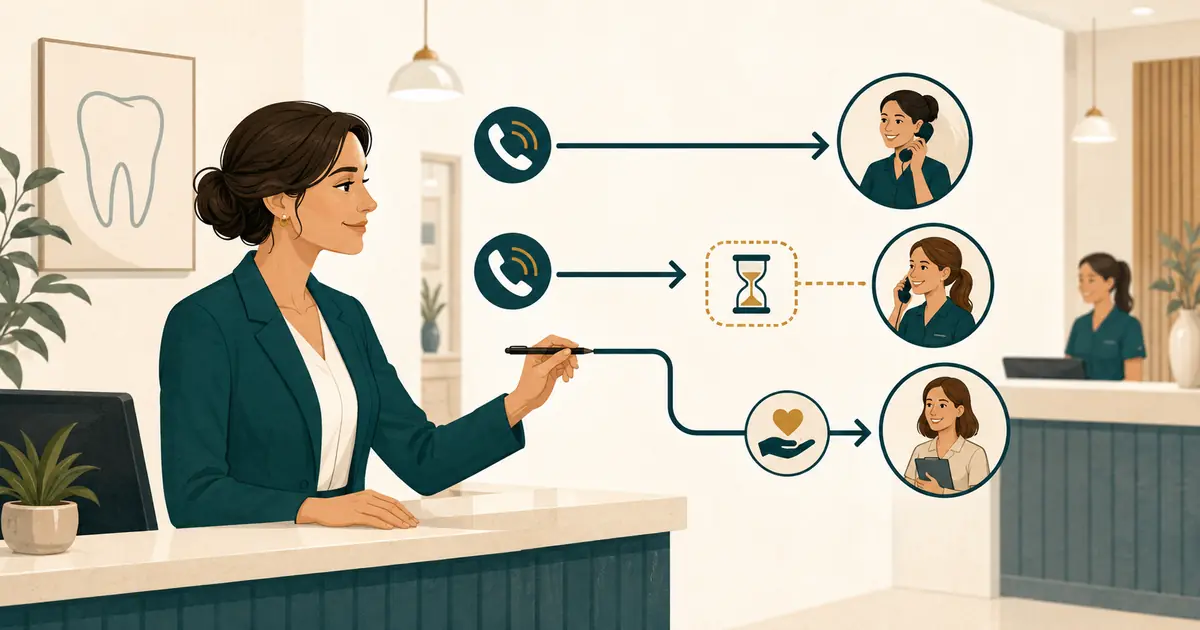
Set a dental office callback time standard with request classes, named owners, truthful status language, escalation, privacy safeguards, and daily review.
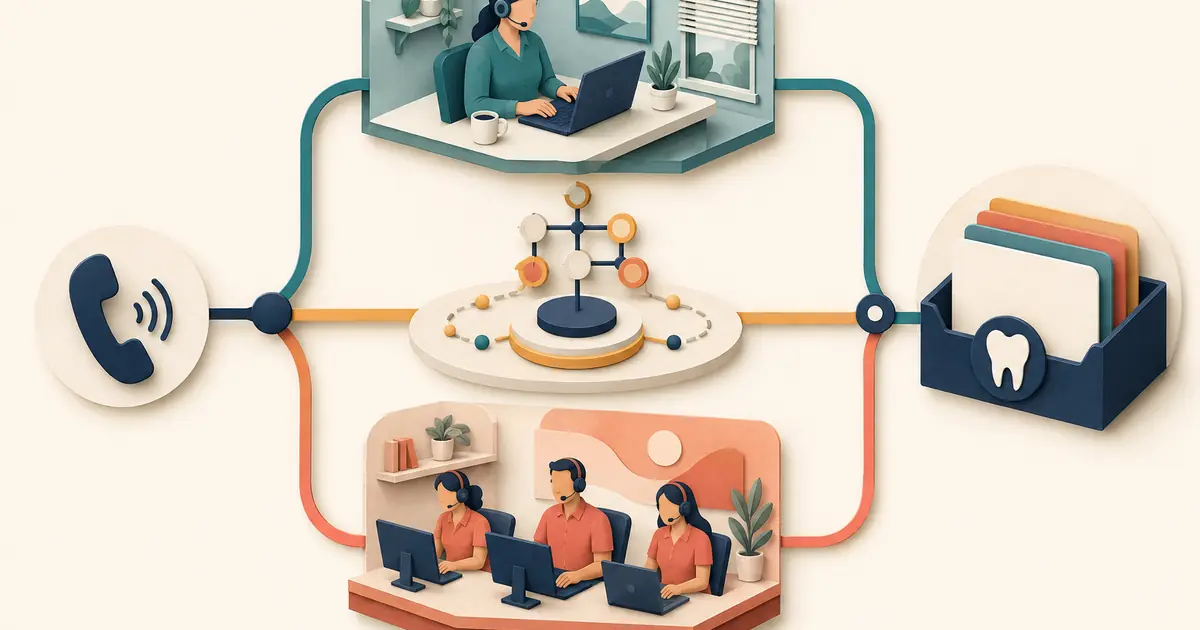
Compare a dental answering service vs. call center by scope, staffing, call direction, authority, records, quality controls, pricing, and practice ownership.
Weigh AI receptionist pros and cons for a dental practice through coverage, consistency, handoffs, patient access, privacy, failure risk, and human oversight.
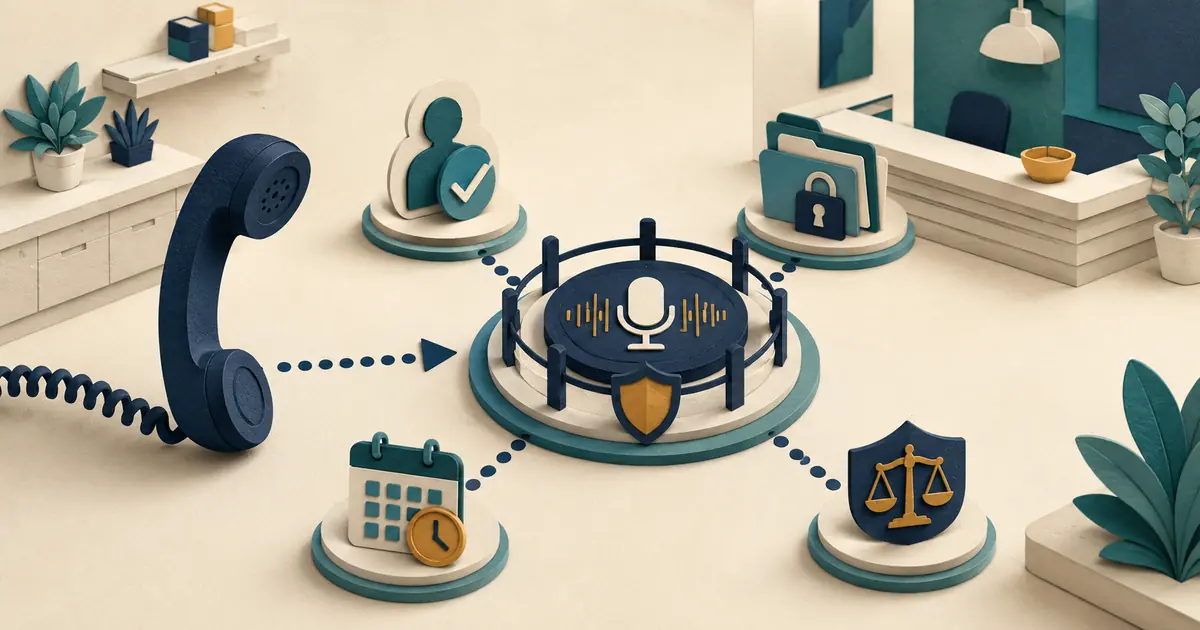
Protect patient privacy on dental calls and voicemail with identity checks, minimum disclosure, private work areas, approved messages, and access controls.
Use dental patient texting best practices for consent, channel choice, identity, minimum information, two-way ownership, opt-outs, records, and failed delivery.
Use a dental AI receptionist onboarding plan to define scope, approve facts, test calls, train staff, stage routing, monitor defects, and preserve rollback.
Use dental office phone greeting examples for normal, busy, transfer, callback, accessibility, and uncertain situations while keeping promises accurate.
Review HIPAA and dental answering services with a BAA checklist for vendor roles, permitted uses, safeguards, subcontractors, incidents, and termination.
Plan AI in dental practices by separating administrative assistance from clinical judgment, assigning owners, testing risks, and preserving patient options.
Measure dental call abandonment and hold time with clear definitions, internal baselines, call-state review, recovery ownership, and balanced quality checks.
Port a dental office phone number with an inventory, provider confirmations, staged tests, rollback ownership, and safeguards for every published channel.
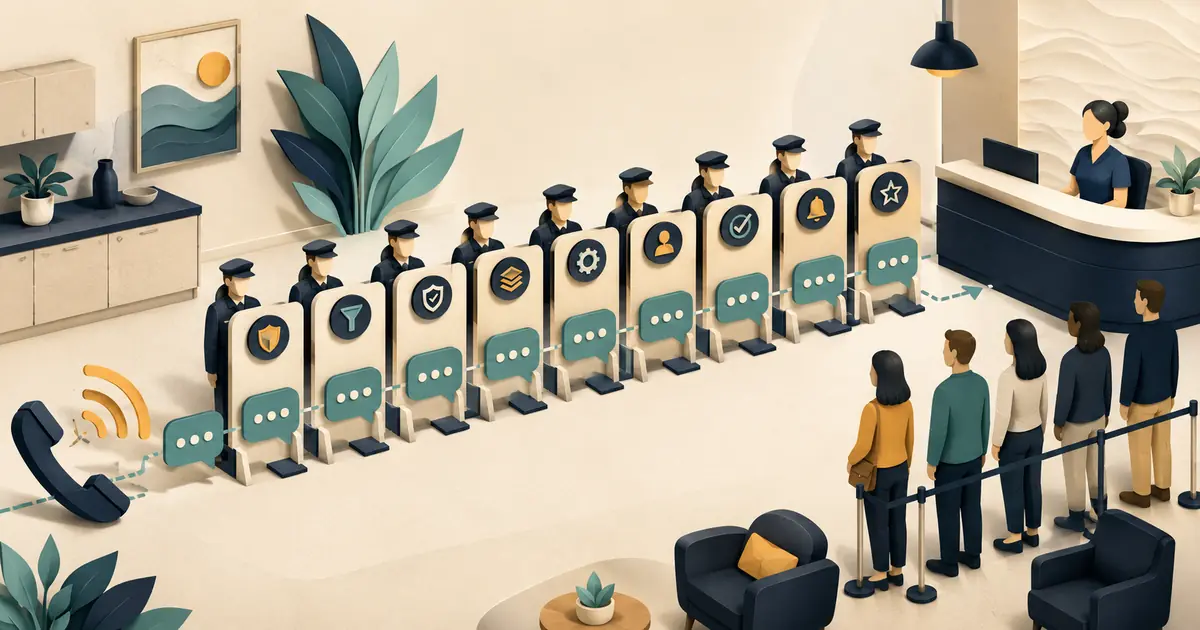
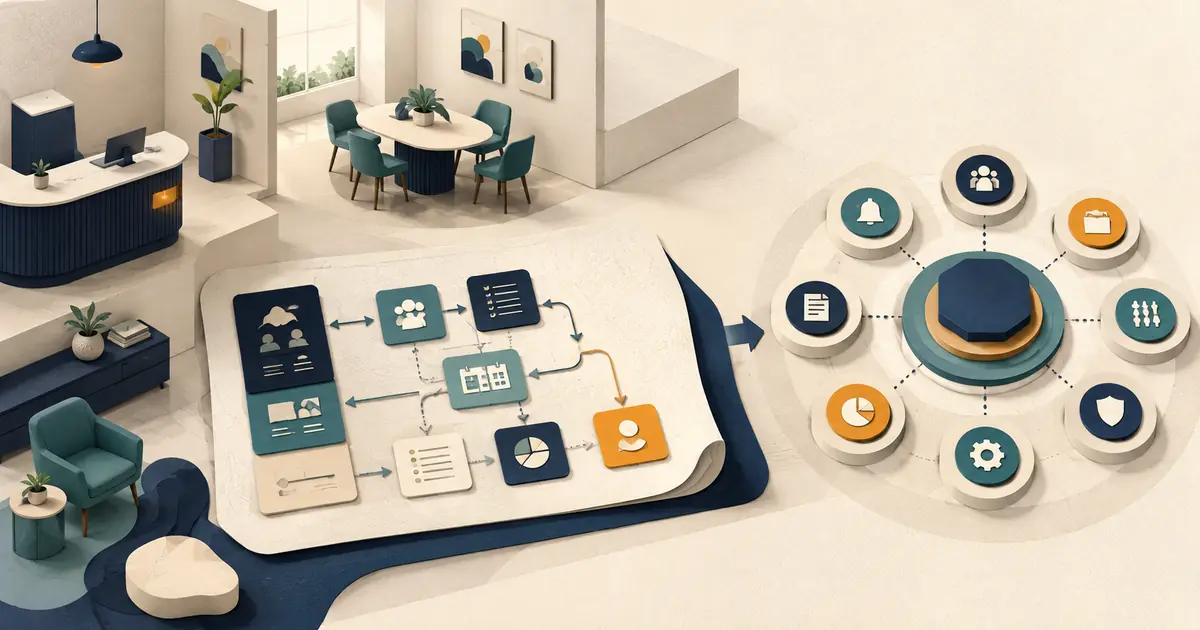
Build a dental front desk workflow that defines call states, owners, handoffs, documentation, exceptions, and daily reconciliation without losing requests.
Design a dental emergency answering workflow that captures requests, follows approved language, reaches the right on-call owner, and avoids clinical triage.
Evaluate AI receptionist dental software through role boundaries, factual controls, call recovery, staff handoffs, privacy, reporting, and launch evidence.
Choose a dental appointment answering service by defining request capture, booking authority, schedule safeguards, confirmation, privacy, and fallback.
Use dental call transfer best practices to explain the handoff, verify the destination, share minimum context, recover failures, and document ownership.
Run a dental AI receptionist demo with realistic call scenarios, clear pass criteria, safe boundaries, handoff tests, and documented follow-up ownership.
Use a dental appointment confirmation call script that verifies the right details, protects privacy, records the response, and routes changes to an owner.
Add AI answering to a dental office phone workflow without replacing staff by assigning narrow call conditions, human owners, safeguards, and pilot measures.
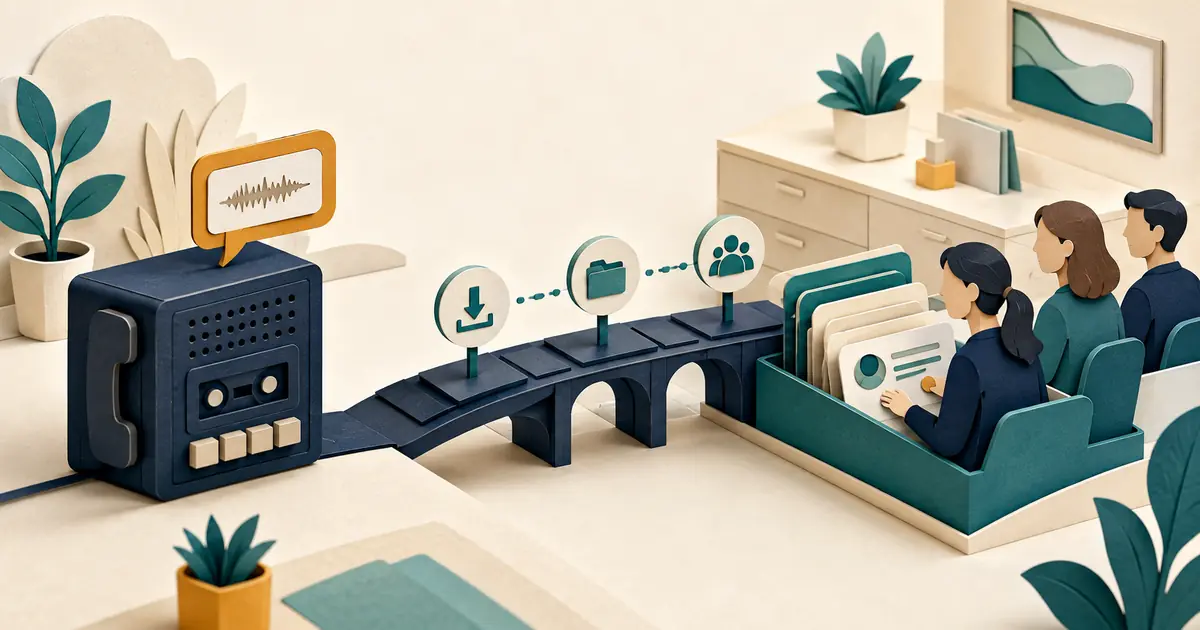
Plan a dental office voicemail system with clear mailbox ownership, safe messages, after-hours routes, accessibility, retention, testing, and outage recovery.
Draft a dental office communication policy that defines channels, ownership, response expectations, privacy, accessibility, downtime, and emergency boundaries.
Use dental recall and reactivation call scripts that verify identity, respect contact preferences, avoid clinical assumptions, and document each next step.
Use a dental front desk daily checklist for opening, call and request review, schedule changes, patient communication, midday handoff, and closing controls.
Use a dental insurance phone script that separates plan participation, benefit verification, estimates, patient responsibility, and assigned follow-up.
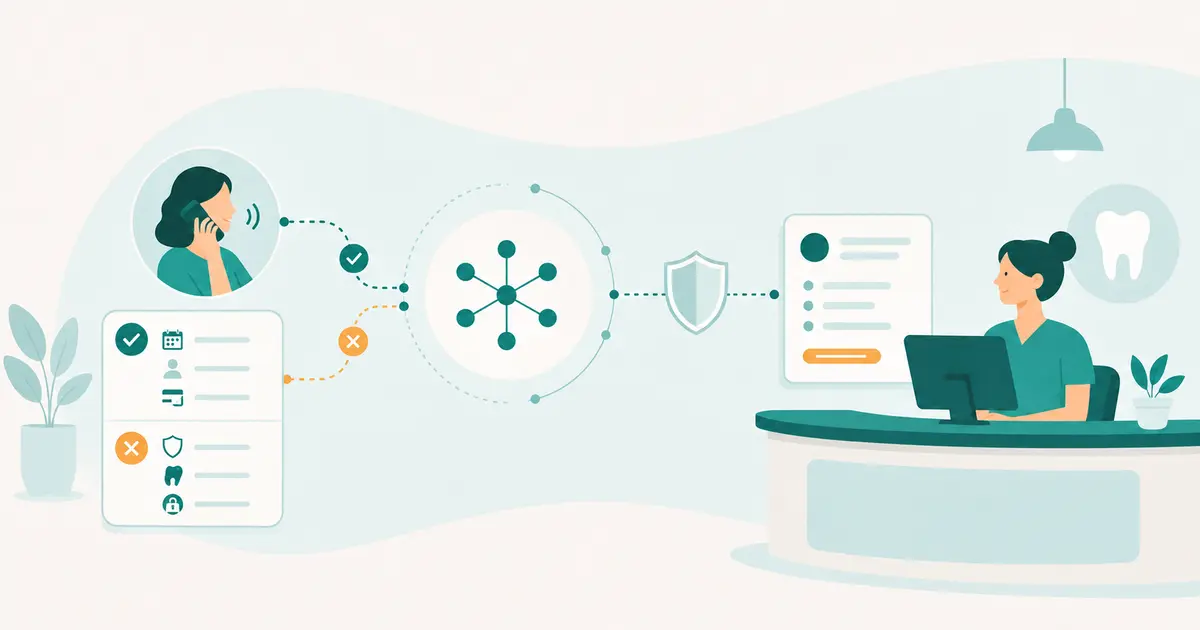
Set boundaries for an after-hours AI receptionist for dentists with approved facts, limited authority, safe escalation, privacy controls, and routine testing.
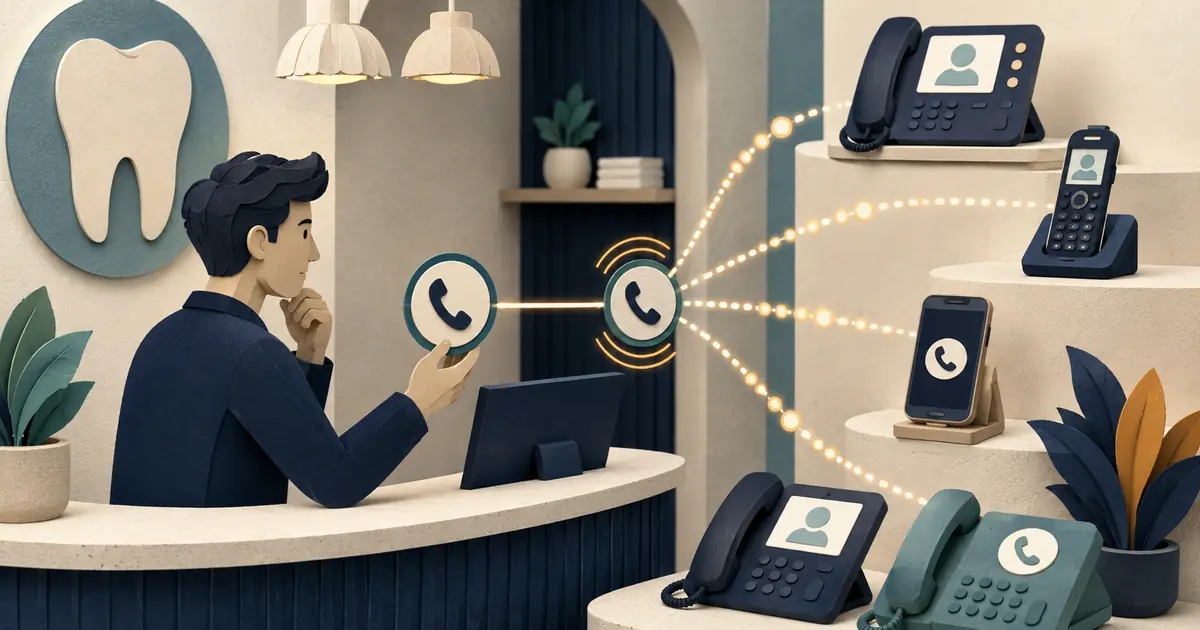
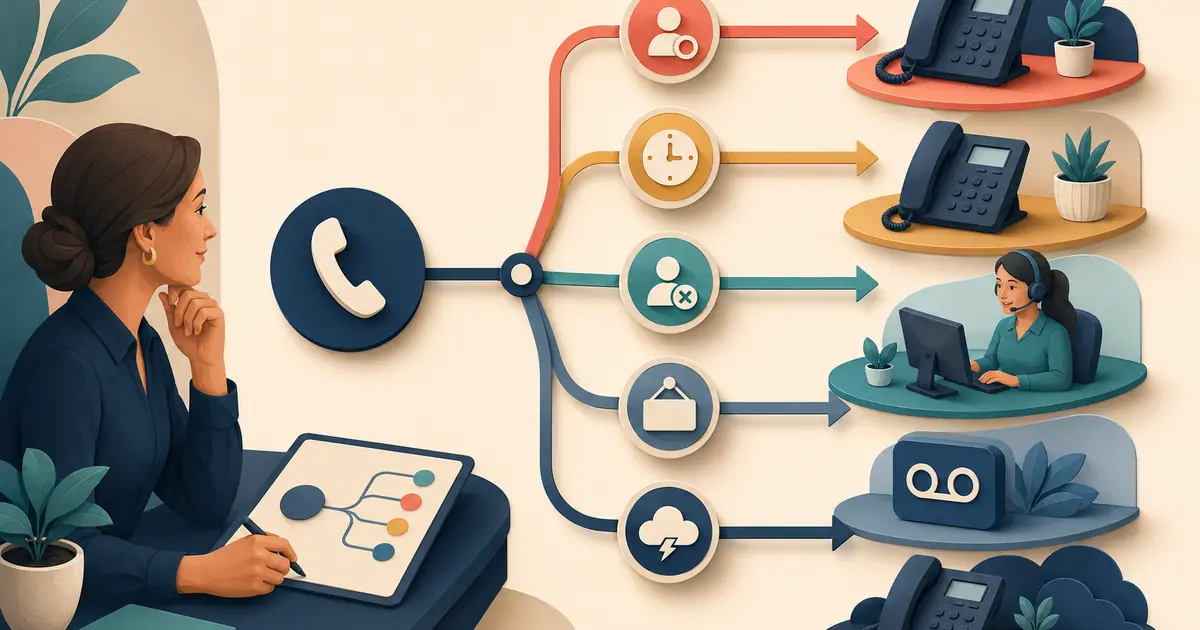
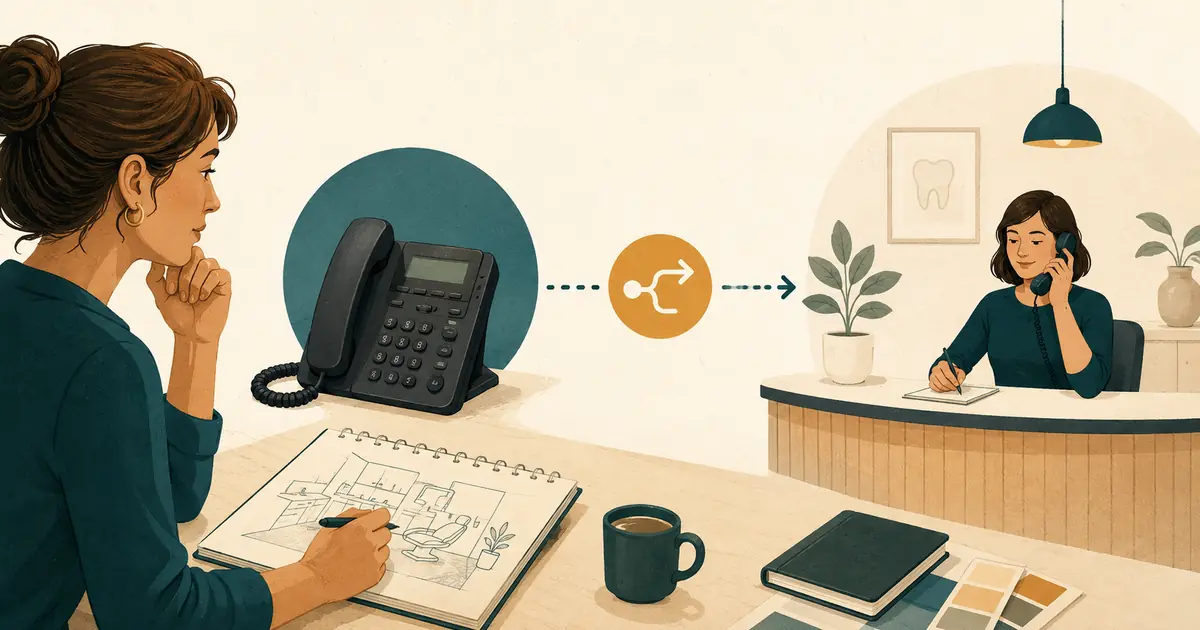
Configure conditional call forwarding for a dental practice by mapping busy, no-answer, and unavailable states to tested destinations, alerts, and recovery.
Set up an AI receptionist before opening a dental practice with a limited scope, approved facts, phone routing, privacy review, testing, and staff ownership.
Handle dental appointment request calls with accurate status language, minimum intake, scheduling authority, staff handoffs, privacy controls, and testing.
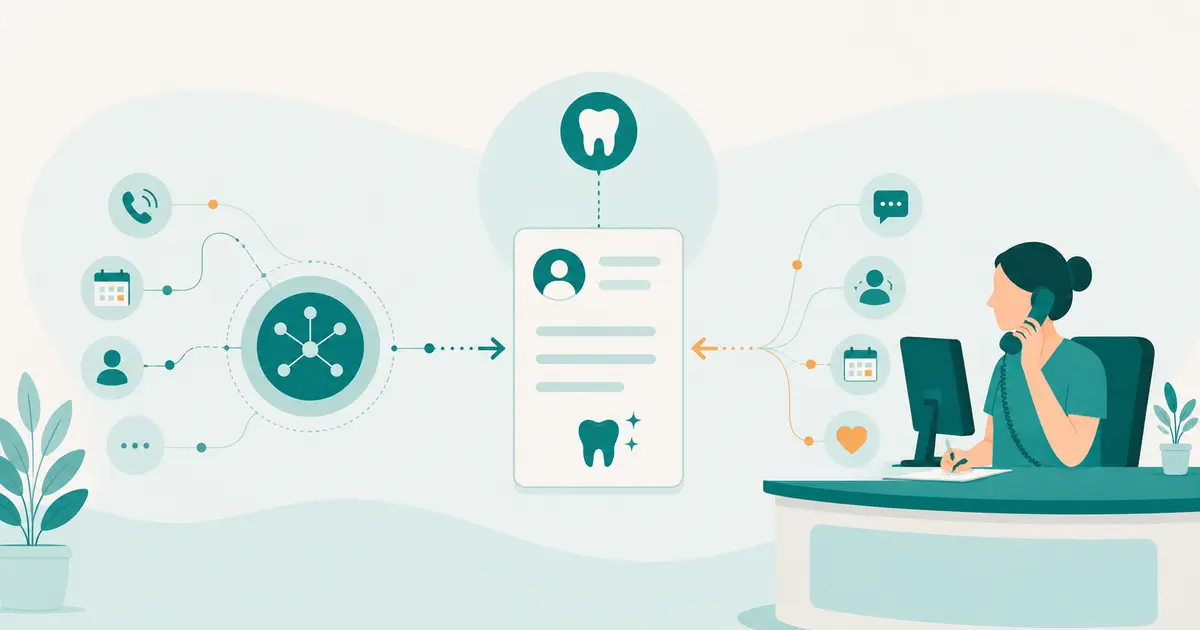
Choose a dental office phone system by mapping call flows, numbers, routing, voicemail, accessibility, security, outages, ownership, testing, and total cost.
Evaluate a human-sounding AI receptionist for dentists by testing disclosure, listening, corrections, office facts, boundaries, handoffs, and failures.
Compare an AI receptionist for a small dental practice with a multi-location setup across scope, routing, facts, ownership, privacy, cost, and rollout.
Plan weekend, night, and holiday dental answering with accurate schedules, scripts, urgent-call limits, handoffs, privacy, routing, and reopening review.
Plan dental answering services for a DSO with location-aware scripts, central standards, local ownership, privacy controls, testing, and useful measures.
Choose a professional dental answering service by defining call scope, staffing, handoffs, urgent-call limits, privacy, routing, pricing, and fallback.
Set dental office call forwarding after hours, on busy lines, and during overflow with clear triggers, caller-ID checks, voicemail order, and rollback.
Use a structured dental receptionist training plan for greetings, discovery, holds, callbacks, scripts, privacy, escalation, documentation, and coaching.
Use this dental front desk phone etiquette checklist for greetings, listening, holds, callbacks, privacy, clear status, handoffs, documentation, and closing.
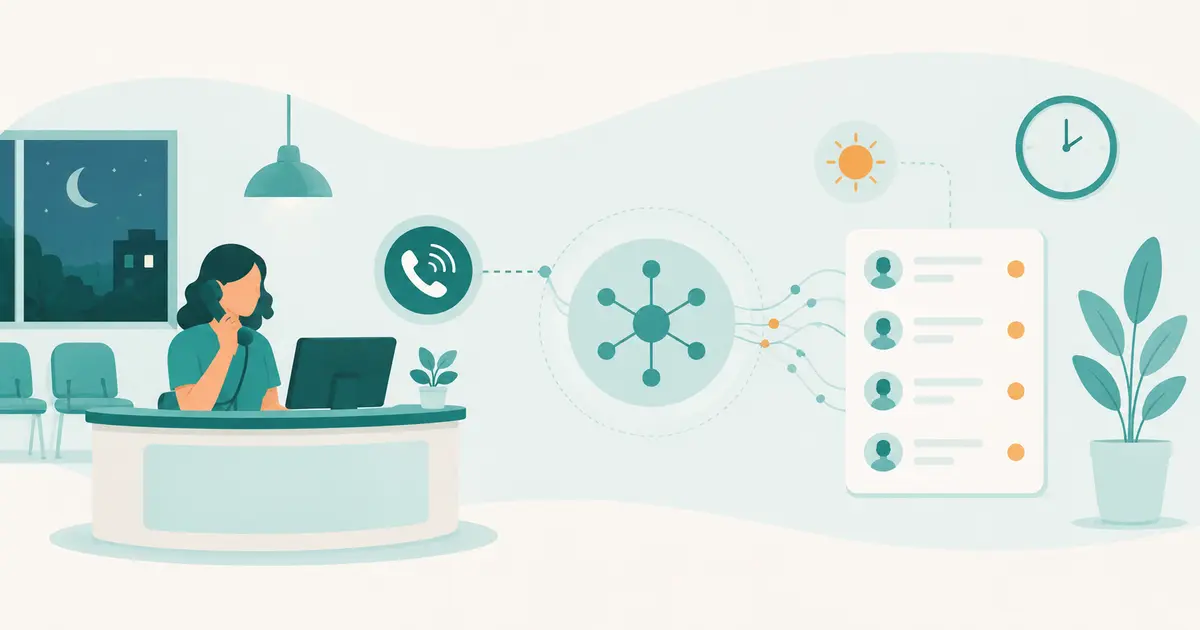
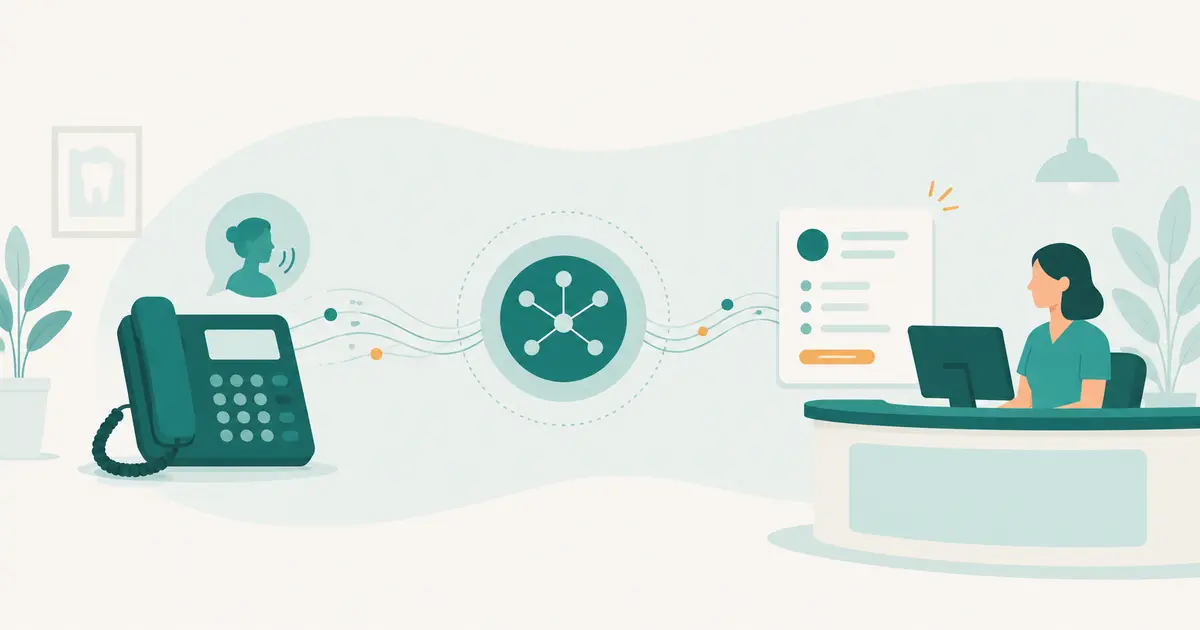
Plan dental missed-call automation across routing, AI request capture, text-back, assignment, suppression, staff follow-up, privacy, and quality review.
Plan a 24/7 dental answering service with clear coverage windows, approved call scope, after-hours rules, handoffs, privacy, costs, fallback, and testing.
Use missed-call text-back for a dental office with verified readiness, approved wording, privacy limits, reply ownership, opt-out handling, and review.
Build a dental office phone outage plan with triggers, backup communications, patient notices, request tracking, privacy controls, restoration, and testing.
Choose dental office communication tools for a new practice by defining each channel, owner, privacy boundary, handoff, integration, and outage fallback.
Use a dental price inquiry phone script that answers approved fee questions clearly, separates estimates from final cost, and gives callers a useful next step.
Compare a dental answering service vs. receptionist by coverage, control, cost, caller experience, staff duties, privacy, and hybrid fit for your office.
Plan a dental answering service for multi-location practices with number mapping, location questions, routing rules, request ownership, access, and fallback.
Reduce dental front desk workload by removing duplicate work, separating live and batch tasks, standardizing requests, and assigning every follow-up clearly.
Set up dental call forwarding safely by defining triggers, ring timing, caller-ID behavior, voicemail order, testing, fallback, and a clear rollback plan.
Calculate dental answering service ROI with your own call, conversion, contribution, labor, and total-cost data instead of unsupported industry averages.
Use a calm dental complaint call script to listen, clarify the concern, set safe boundaries, document facts, and hand the issue to the right person safely.
Plan dental new-patient call intake before opening with a minimal script, approved office facts, request boundaries, privacy controls, and staff ownership.
Find the best AI receptionist for your dental office with a checklist for call handling, safety, privacy, handoffs, setup, reliability, and cost before buying.
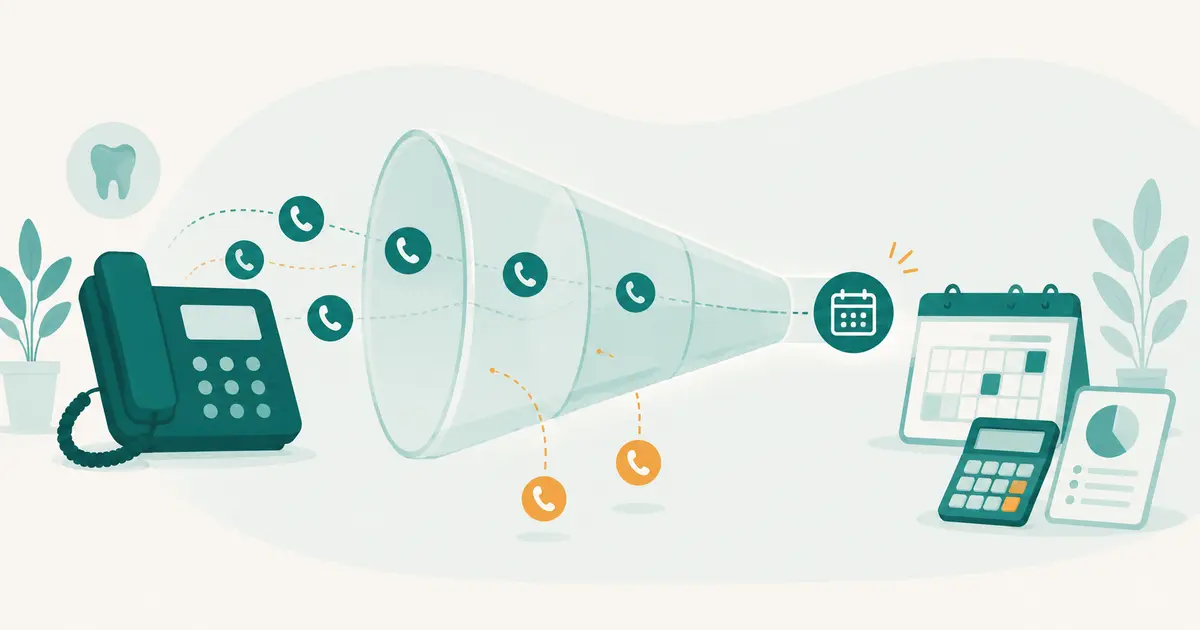
Learn when a dental call overflow service is justified, which call patterns to measure, how to compare coverage options, and how to run a controlled pilot.
Use a dental missed call callback script to prioritize requests, return calls clearly, leave useful voicemails, and record the next step for every caller.