A dental answering service gives a practice another way to respond when the front desk cannot pick up. Depending on the service, a call may reach a live operator, an automated menu, voicemail, or an AI system. The goal is not simply to answer the phone. It is to capture enough accurate information so the dental team can take the right next step.
For most independent practices, the useful question is not “Can someone answer every call?” It is “What should happen when our staff is already helping a patient, the office is closed, or several calls arrive at once?”
How a dental answering service usually works
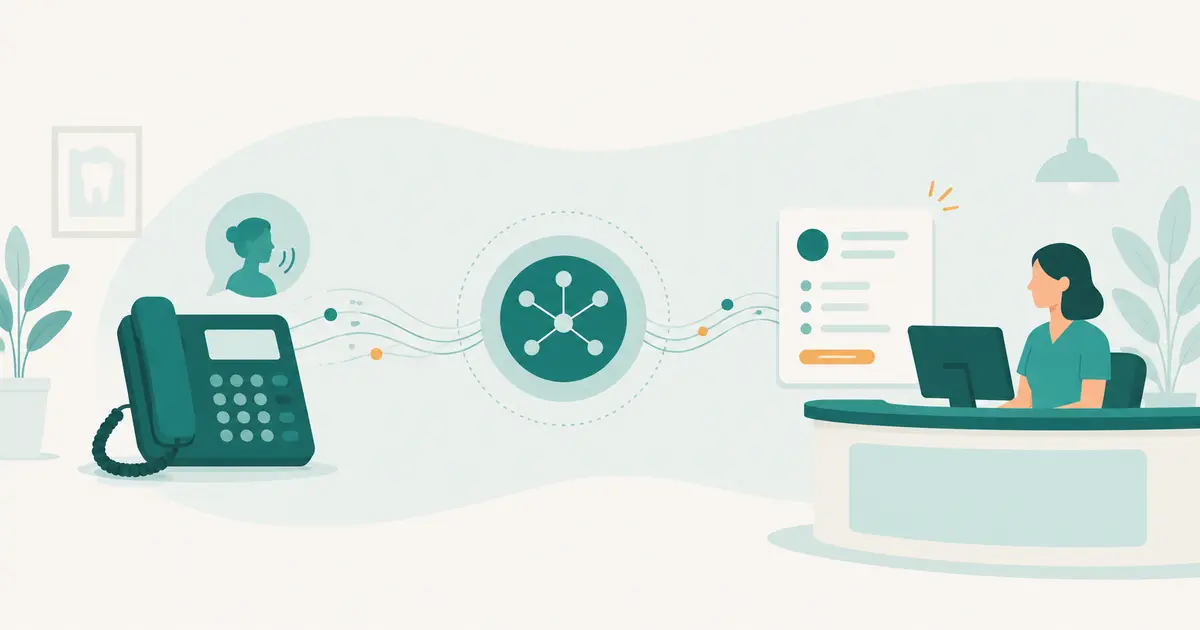
The basic call path has four parts:
- A patient calls the office's published number.
- The office phone system forwards the call under selected conditions, such as no answer, a busy line, or after hours.
- The answering service greets the caller and follows the practice's instructions.
- The practice receives a message, request summary, or escalation and decides how to follow up.
The office normally keeps its existing public phone number. Call forwarding determines which calls go to the answering service. This lets the front desk continue handling calls during normal operations while creating coverage for the calls staff cannot reach.
The main service models
Live operator services
A live answering service routes calls to trained human operators. This model can work well when conversations are unpredictable or when callers frequently need judgment and reassurance. Quality depends on operator training, staffing levels, access to current office information, and how carefully messages are documented.
Voicemail and automated menus
Voicemail is simple and familiar. It asks the caller to leave a message for later review. An automated menu can route callers by pressing a number. Both options are inexpensive to operate, but they require the caller to do more work and may not capture a structured request.
AI call answering
An AI answering system can have a spoken conversation, answer approved routine office questions, and collect a caller's reason for calling. It can provide consistent coverage, but it should have narrow boundaries. Clinical advice, emergency assessment, definitive insurance answers, and promises about appointment availability require the practice's established process and human judgment.
What information should be captured?
A useful message is short enough to scan and complete enough to act on. A practice may want:
- the caller's name and callback number;
- the reason for the call in the caller's own terms;
- whether the caller is new or already visits the practice;
- a preferred callback time, when offered voluntarily;
- any office question that still needs a staff response.
Avoid collecting detailed clinical information unless the practice has a defined, secure reason to do so. The answering workflow should capture the request, not attempt diagnosis or treatment guidance.
Questions to ask before choosing a service
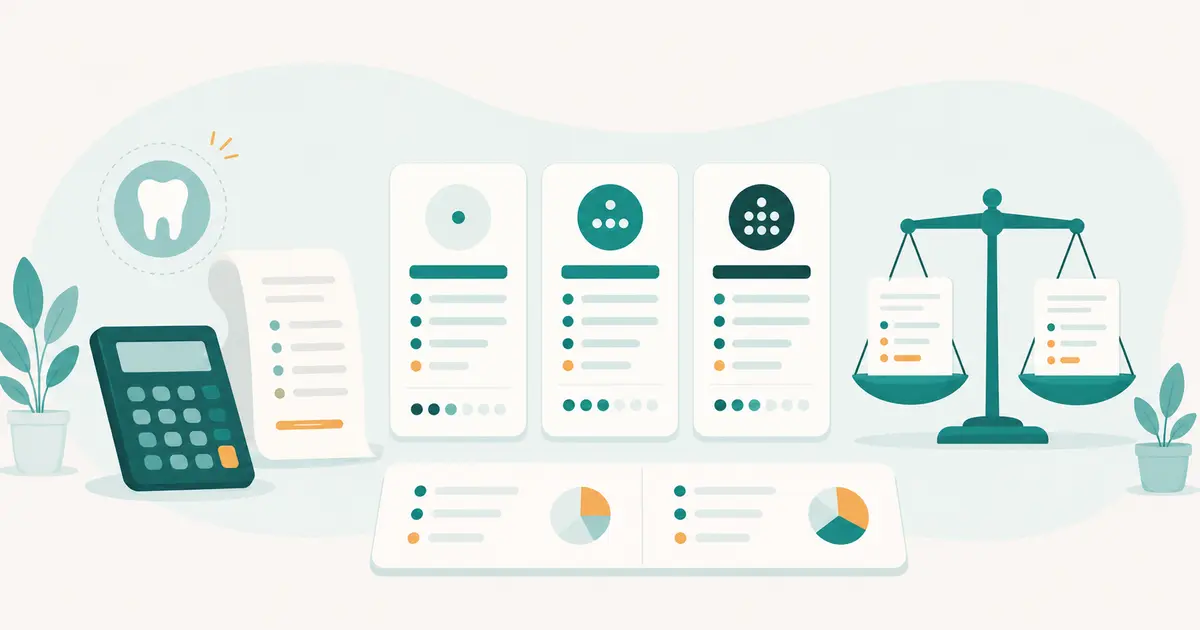
| Area | What to verify |
|---|---|
| Coverage | Which calls are answered: busy, no answer, after hours, overflow, or all calls? |
| Caller experience | What greeting does the patient hear, and how are uncertain questions handled? |
| Office information | How are hours, locations, services, and policies kept current? |
| Handoff | Does the team receive a clear summary, a recording, a transcript, or only a notification? |
| Escalation | What happens when the caller asks for something outside the approved workflow? |
| Reliability | How does the service behave during high call volume or an outage? |
| Pricing | Is cost based on minutes, calls, operators, locations, or a monthly package? |
Where Missed Calls Dental fits
Missed Calls Dental is designed for eligible missed, busy, overflow, and after-hours calls that a practice forwards to its MCD AI number. The AI can answer approved common office questions, capture the caller's request, and create a transcript and clear summary in Workspace for the front desk.
It is not a live human answering service, a phone-system replacement, or a full dental receptionist. It does not diagnose, provide medical triage, confirm insurance benefits, or book appointments. The dental team reviews the request and decides the next step.
For a closer look at the call flow, read How Missed Calls Dental works or compare the two main coverage models in AI Receptionist vs. Traditional Dental Answering Service.